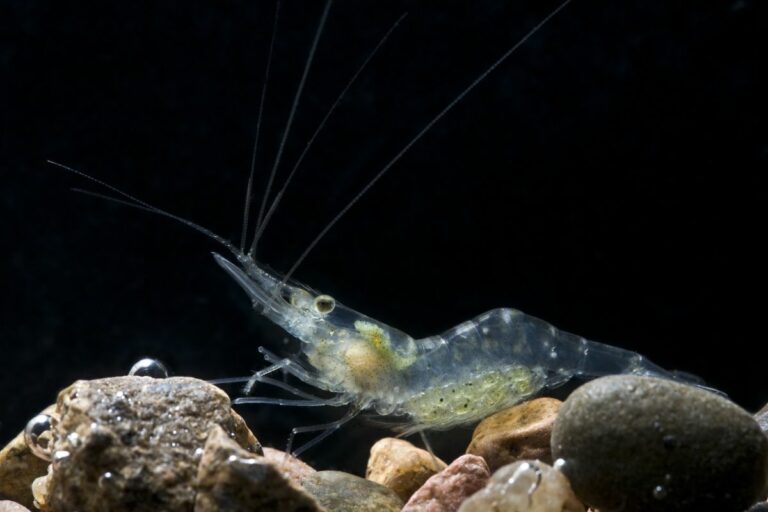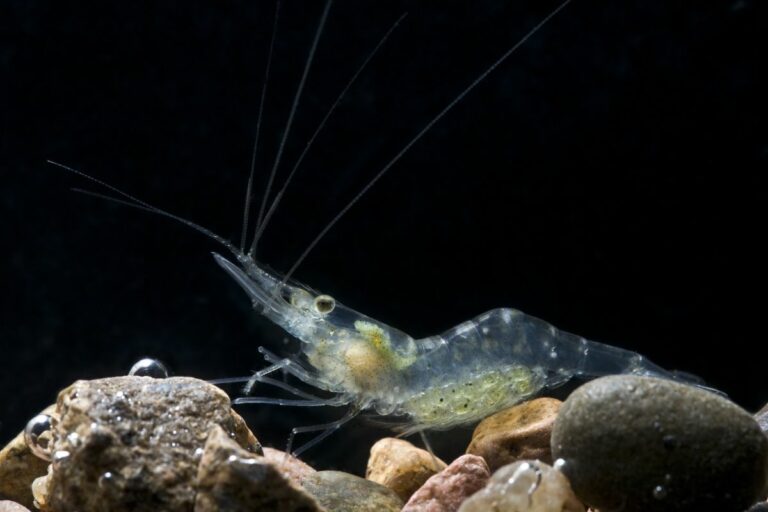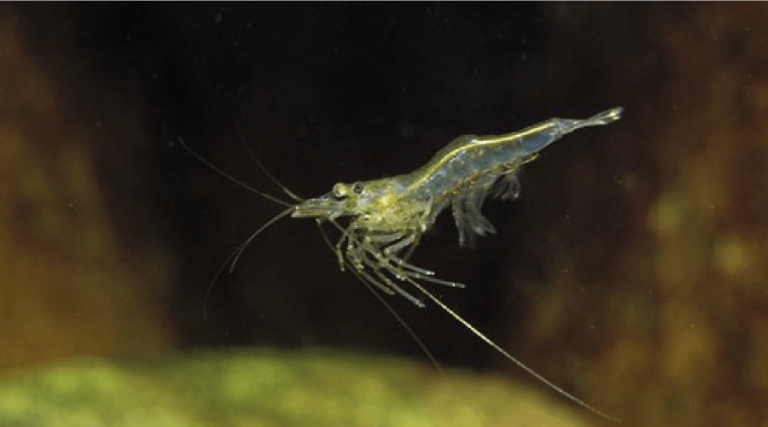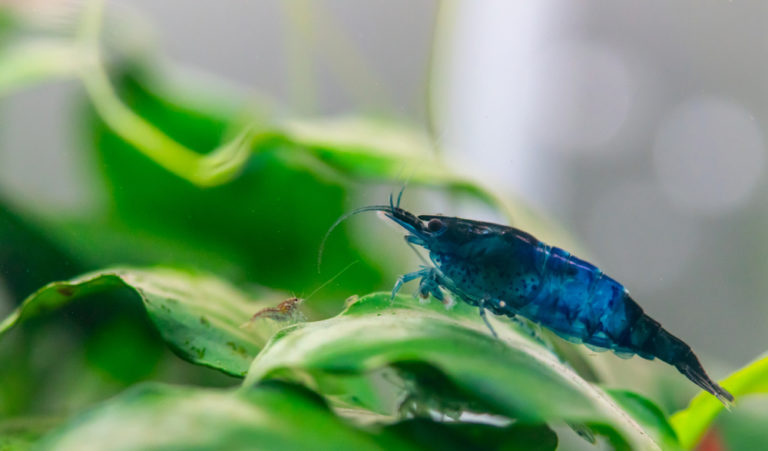
A pale shrimp-shaped object lies beside the moss. It has legs, antennae and a curved body, so it is easy to assume a shrimp has died. Sometimes you are looking at the empty shell left after a normal molt.
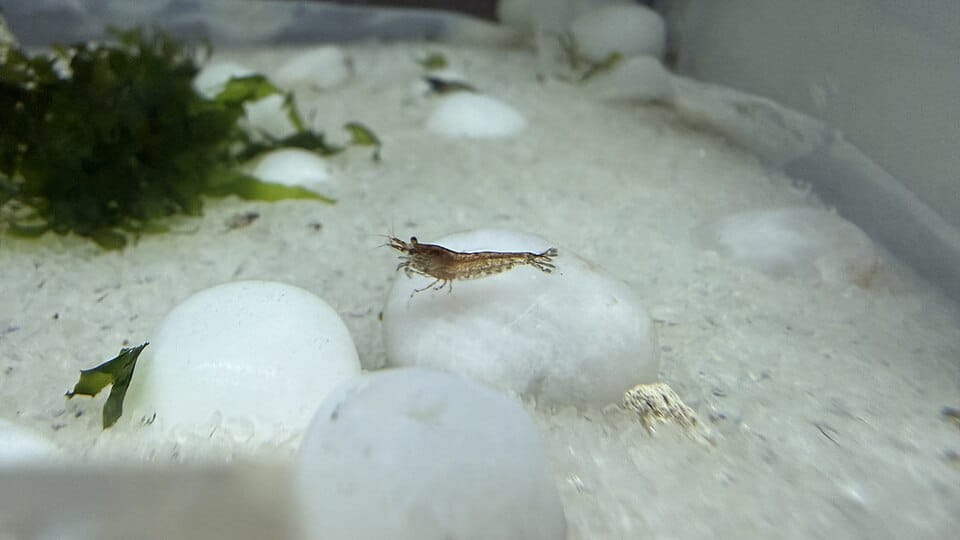
Look for the animal and inspect the object before treating the whole aquarium. An empty shed and a dead shrimp call for different responses.
A molt can preserve a surprising amount of detail
Shrimp grow by shedding their external skeleton. The empty structure, called an exuvia, can retain the outline of the body and appendages. A thin, translucent appearance and a split opening can suggest a shed, but photographs and color alone do not settle every identification.
Check from more than one angle without chasing or handling the living shrimp. A body containing obvious tissue is different from a hollow shell. If you are uncertain, take a clear close-up and compare it with a reliably identified example. Photograph the opening and body cavity if visible, and note whether you have located the living shrimp; the silhouette alone is the least useful part of the comparison.
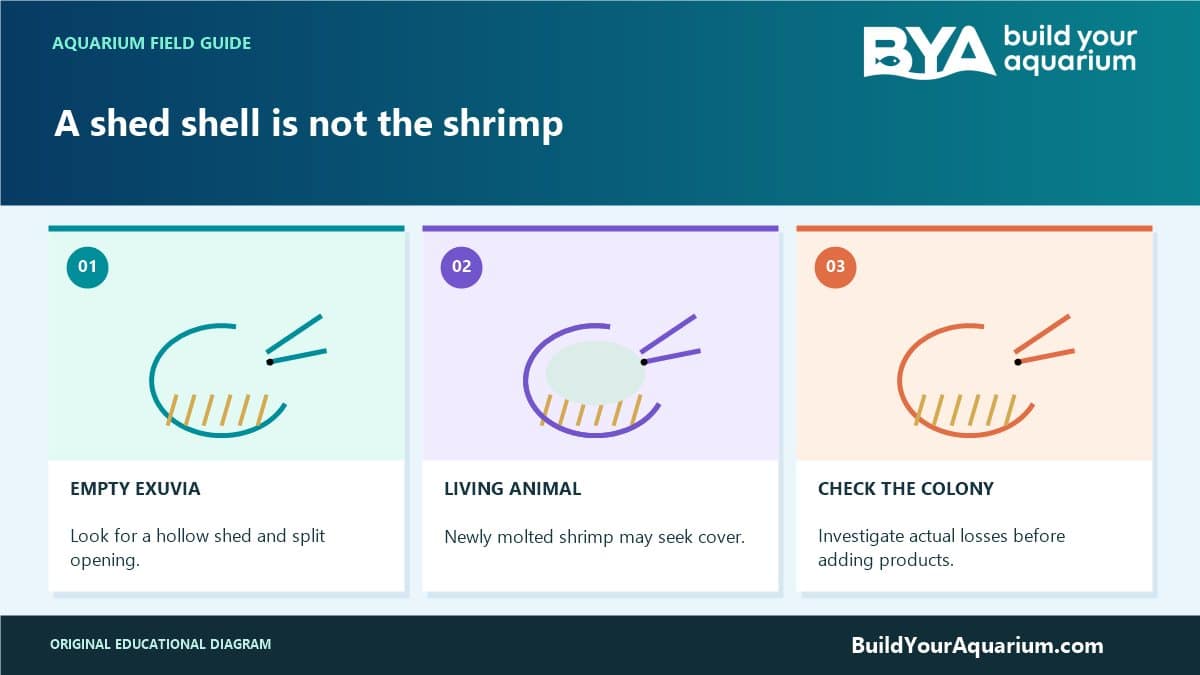
The shrimp may be hiding nearby
Petco’s freshwater crustacean care sheet notes both molting during growth and hiding during vulnerable stages. Keep sheltered areas available instead of dismantling the aquarium to find an animal immediately after a shed.
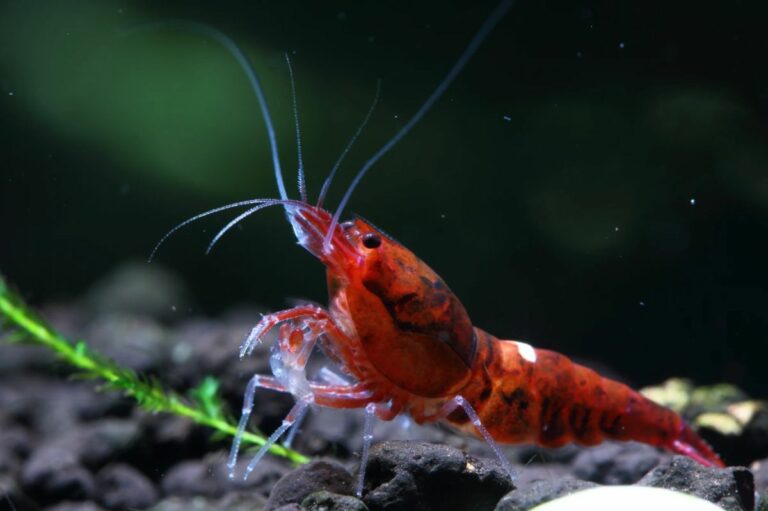
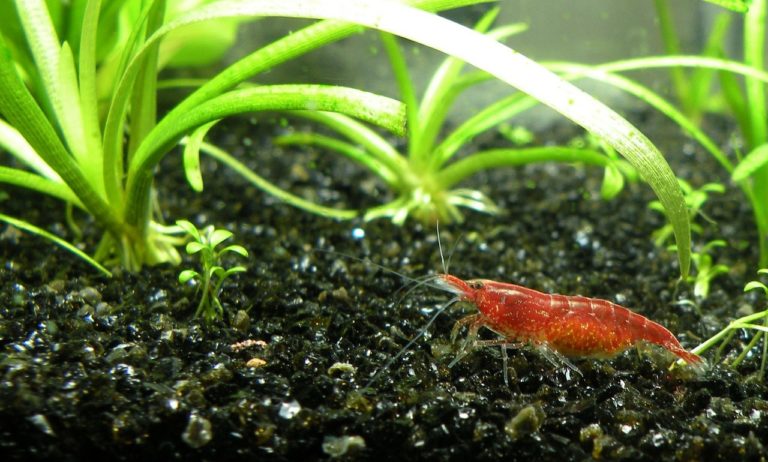
Continue watching the colony at normal feeding times. For domestic Neocaridina, our cherry shrimp guide covers stable water, shelter and companions. Other shrimp species can require different chemistry and feeding.
Repeated trouble needs measurements
A normal empty shell is not evidence that the aquarium lacks calcium. Conversely, repeated failed molts, losses or struggling animals deserve investigation. Check temperature, ammonia, nitrite, recent water changes, mineral conditions and possible contamination before choosing an additive.
Do not automatically add iodine, cuttlebone or a mineral ball because someone connects every molting problem to a deficiency. An appropriate balanced diet and a consistent species-specific water plan matter more than collecting supplements.
Use the shrimp feeding guide to review food delivery and portions. A harmless shed may be grazed by the colony, while an actual dead animal should be removed and its possible cause assessed. Identifying what you found is the first useful step.