Choose substrate for the fish and plants you plan to keep, then decide how it should look. Fine sand suits many burrowing fish, gravel is straightforward to siphon, and planted-tank soils provide nutrients but require more attention during setup.

Gravel: straightforward cleaning, limited plant nutrition
Smooth aquarium gravel works in many community tanks. Use a gravel vacuum to lift trapped food and waste from between the grains. Debris hidden below the surface still needs removing.
Plain gravel does not provide a complete nutrient supply for rooted plants. Depending on the plants, use suitable root fertilizer or choose a planting substrate. Avoid sharp material around fish that sift or burrow.

Sand: check the grain and the fish
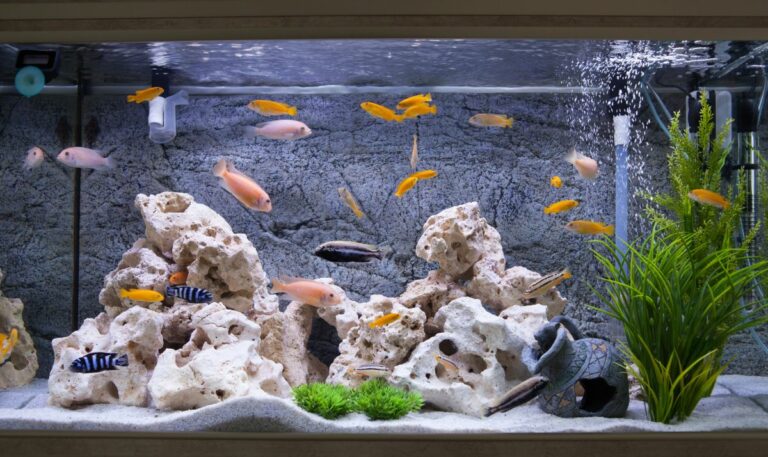
Fine, smooth aquarium sand allows many bottom-dwellers to sift and dig. Siphon debris from just above the surface rather than plunging the tube into it. Adjust the flow so you do not empty sand into the bucket.
Sand is not automatically inert. Coral-based sand and other carbonate-rich materials can affect hardness and pH. Choose a material compatible with your intended water chemistry, particularly for soft-water fish.
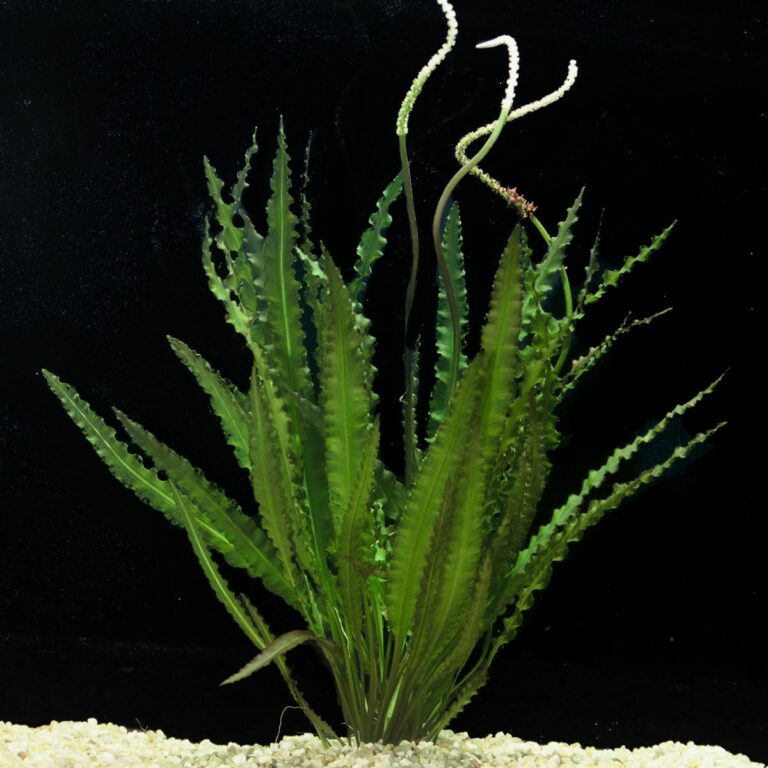
Plants can grow in suitable sand, but it does not replace nutrition. Our guide to growing aquarium plants in sand explains the practical trade-offs.

Aquasoil: follow the specific product instructions
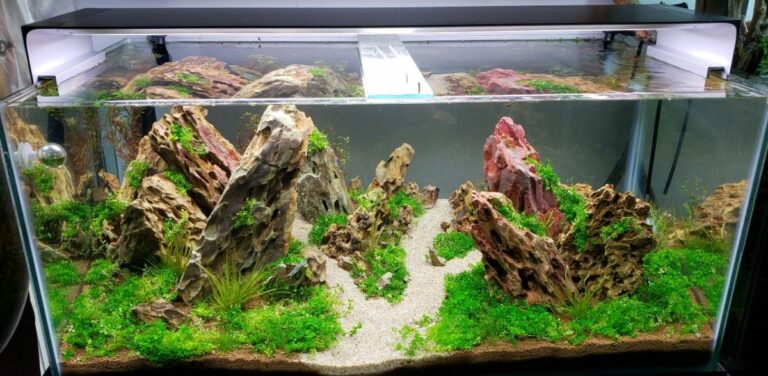
Planting substrates differ. Nutrient-rich aquasoils, clay gravels, and inert decorative substrates are not interchangeable, even when all are marketed for planted tanks.
Some active soils change water chemistry or release ammonia during startup. Complete the setup and testing before adding animals. Check compatibility with the fish, shrimp, and source water rather than choosing by the word “planted” on the bag.
Do not rinse every planting substrate by default. Follow its directions: some require washing, while others should be added without rinsing. For product comparisons, see our planted-aquarium substrate guide.
For example, Seachem recommends rinsing Flourite to remove shipping dust. Use the directions for the material you actually bought.
Garden potting mix is a separate project
Do not substitute an unknown bag of garden soil for aquarium substrate. Fertilizers, pesticides, wetting agents, and floating organic material can make it unsuitable. Soil-based planted tanks require a deliberate method and careful startup; a purpose-made aquarium substrate is easier for a first setup.
Calculate quantity from the tank floor
Use the tank’s internal length, width, and desired depth, then consult the product’s volume or coverage information. Gallons alone are a poor guide: a tall tank and a shallow tank can hold the same water volume but have different floor areas.
Choose depth around plant rooting needs, hardscape, and maintenance. Avoid assuming that one pound per gallon creates the same layer with every material.

Bare bottom: easy waste removal, different habitat
A bare-bottom tank makes settled waste easy to spot and siphon. It can suit quarantine or other specialist setups, but removes the digging and rooting habitat provided by substrate. Choose it for the animals and purpose, not simply to avoid maintenance.
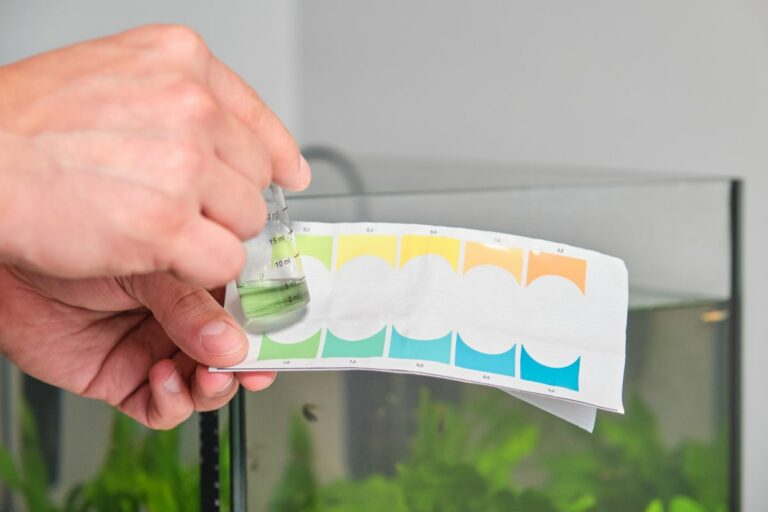
Whichever bottom you choose, keep a suitable filter and test the water. Substrate alone does not make an aquarium cycled. Our nitrogen-cycle guide explains what to check before stocking.