Fish include herbivores, carnivores and omnivores. These terms describe what an animal eats, not whether it is large, aggressive or easy to keep. Use the category as a starting point, then check the actual species before planning its aquarium diet.

What the three categories mean
| Diet | Meaning | Aquarium implication |
|---|---|---|
| Herbivorous | Primarily consumes algae or plant material | Needs an appropriate plant- or algae-oriented diet, not just occasional vegetables |
| Carnivorous | Primarily consumes animals | Prey size and type matter: insects, crustaceans, mollusks and fish are not interchangeable |
| Omnivorous | Consumes both animal and plant-derived material | Still needs a balanced, species-appropriate diet; “will eat it” does not mean “should live on it” |
All three groups need protein and other essential nutrients. Herbivory does not mean an animal requires no protein, and an omnivore’s diet is not necessarily an equal half of plants and meat. Some species’ diets also change with growth or food availability.
Herbivores and surface grazers

Many silver dollars consume substantial vegetation and can damage an ornamental planted layout. Other grazers obtain a mixture from surface biofilm, including algae and tiny animals. A mouth used for scraping does not prove strict vegetarianism.
Aqueon’s feeding guidance explains the broad distinction between plant- and animal-oriented diets and the need to match food size and delivery. Check individual care requirements: “all plecos,” “all mbuna” or “all algae eaters” is too broad a feeding prescription.
Carnivores are not all giant predators

A small betta taking insect larvae and an arowana taking larger prey can both be animal-oriented feeders. Their housing, meal size and feeding schedules remain very different.
The Florida Museum describes several feeding adaptations, from teeth that hold prey to structures that crush hard shells. A generic “meat eater” menu misses those differences.
Choose an appropriate complete carnivore formulation where accepted and suitable supplementary prey. Do not use plain seafood, feeder fish or mammal meat as an assumed complete diet. Live fish are unnecessary for many predators and can introduce disease; specialist animals need a deliberate food-sourcing plan.
Omnivores still need a feeding plan
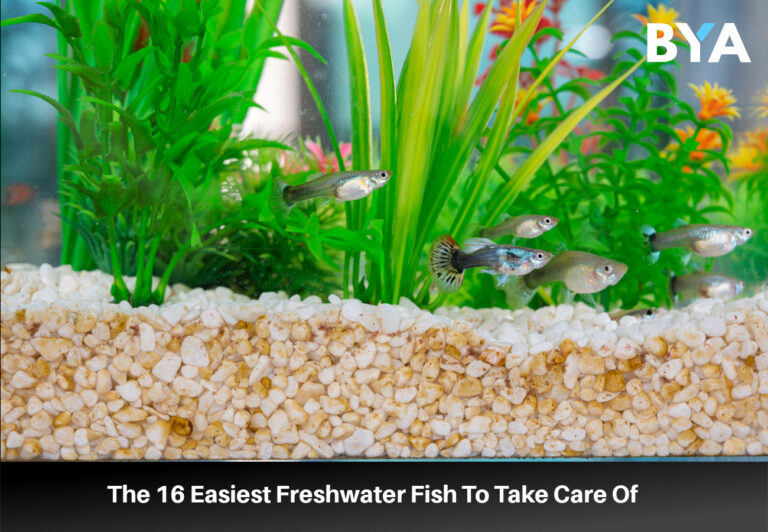
Common aquarium examples include goldfish, guppies and many danios. They may accept many foods, but acceptance alone does not demonstrate nutritional balance. A complete prepared diet can be useful; treats should support rather than displace it.
“Shellfish” is also not one diet category. It includes animals with very different feeding methods, from filter-feeding bivalves to predatory crustaceans. Likewise, crayfish are crustaceans, not fish, even though many are opportunistic omnivores.
Waste and feeding frequency

Do not set filtration demand from the words “herbivore” or “carnivore” alone. Adult biomass, total food input, uneaten material and stocking all matter. Maintain a mature filter and remove accumulated waste.
For practical choices between flakes, pellets, frozen and live foods, use our aquarium feeding guide. Base portions and timing on the fish’s species, life stage and condition instead of assuming all predators need one large meal or all grazers can find enough food unaided.