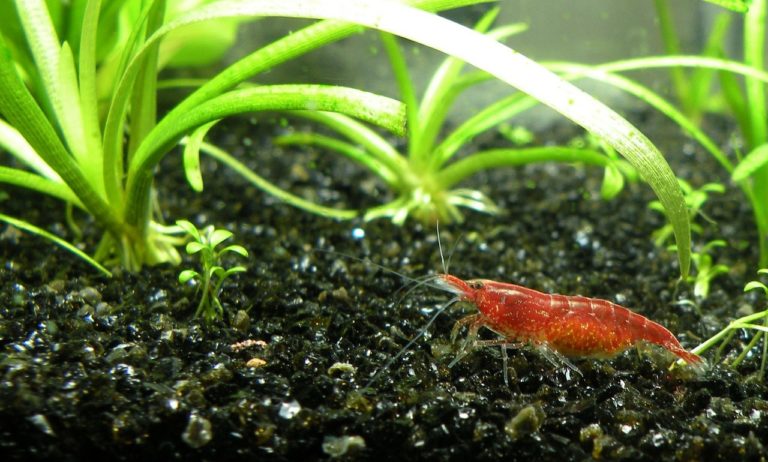
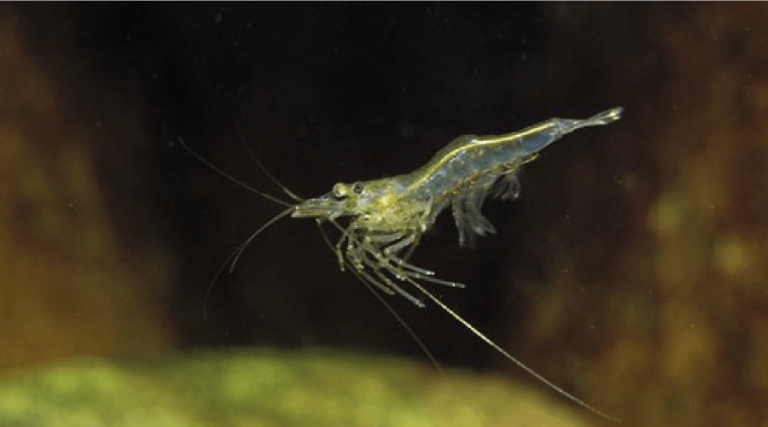
Reddit user u/Xenniel_X, who signs her posts Cass, shared a close-up shrimp photography setup built around a phone, a clip-on microscope lens and adjustable lighting. Her explanation makes an important point before any equipment list: the useful focusing distance is very small.
The r/Aquariums tutorial lists an iPhone 17 Pro Max, an APEXEL MS001 attachment and LED lights. Those are the author’s tools, not equipment we independently tested or a requirement to buy the same kit.
Put the subject where the lens can focus
Cass explains that the attachment needs the shrimp close to the front glass and relatively still. A macro accessory cannot produce a sharp animal at an arbitrary distance simply because its advertised magnification is high.
Start by cleaning the viewing area safely and working out the lens’s focusing distance. Watch normal shrimp activity and choose an accessible grazing spot. Avoid chasing, handling or removing an animal just to obtain a close-up.
The tutorial describes using a small amount of food placed near the glass. If you use food as an incentive, count it within the colony’s normal feeding and remove excess. The cherry shrimp guide covers the care that comes before the photograph.
Change one light at a time
The author describes comparing individual lights and then combinations, while adjusting phone exposure and related settings. That is a more useful experiment than adding every available lamp and hoping the camera compensates.
Keep lighting equipment dry, suitably supported and away from splash paths. Watch temperature and animal behavior. A lamp labeled LED still needs appropriate placement; the label alone is not a guarantee that extra equipment cannot warm a small aquarium.
Work during an appropriate viewing period rather than extending the aquarium’s light cycle indefinitely. Our night-lighting guide explains why a display should still provide a suitable dark period.
A clearer record can also improve observation
Photographs can help compare body condition, markings and changes over time. Keep unedited originals when documenting a possible problem, and record the date and aquarium conditions. Include one wider frame showing the whole animal and its surroundings; an extreme close-up can hide the context needed to interpret it. A magnified picture can support identification; it does not by itself establish a diagnosis.
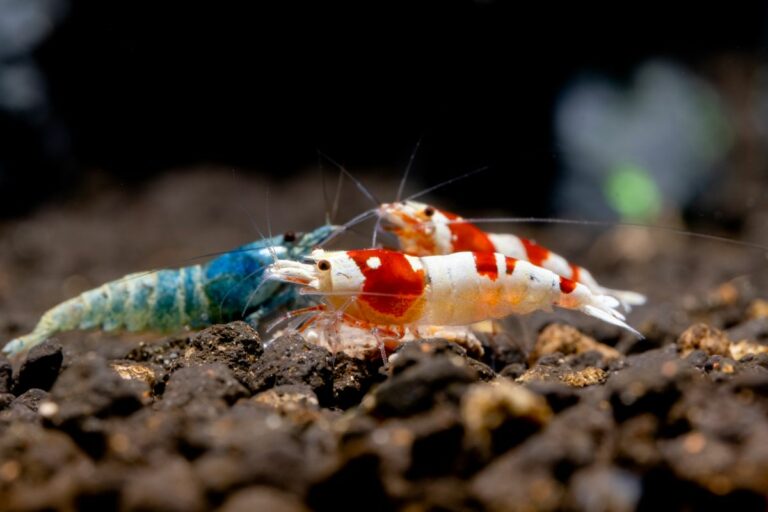
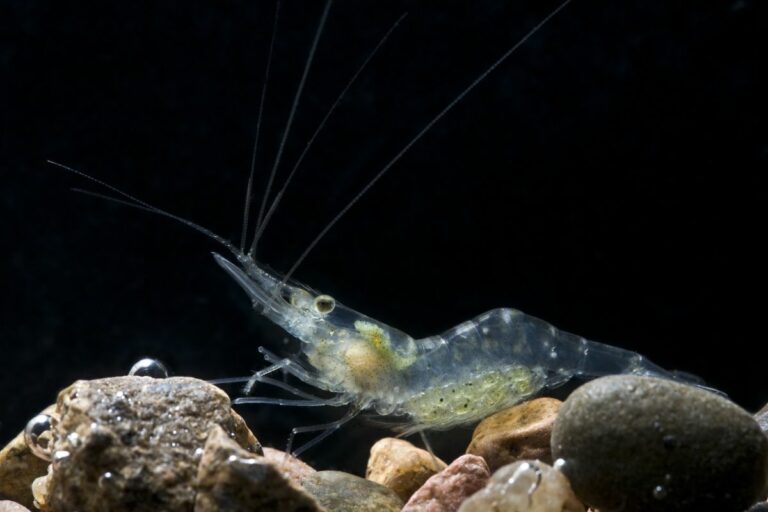
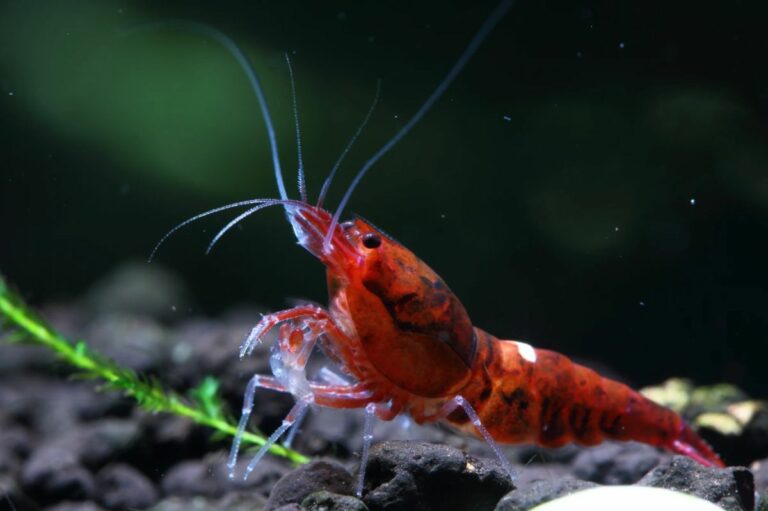
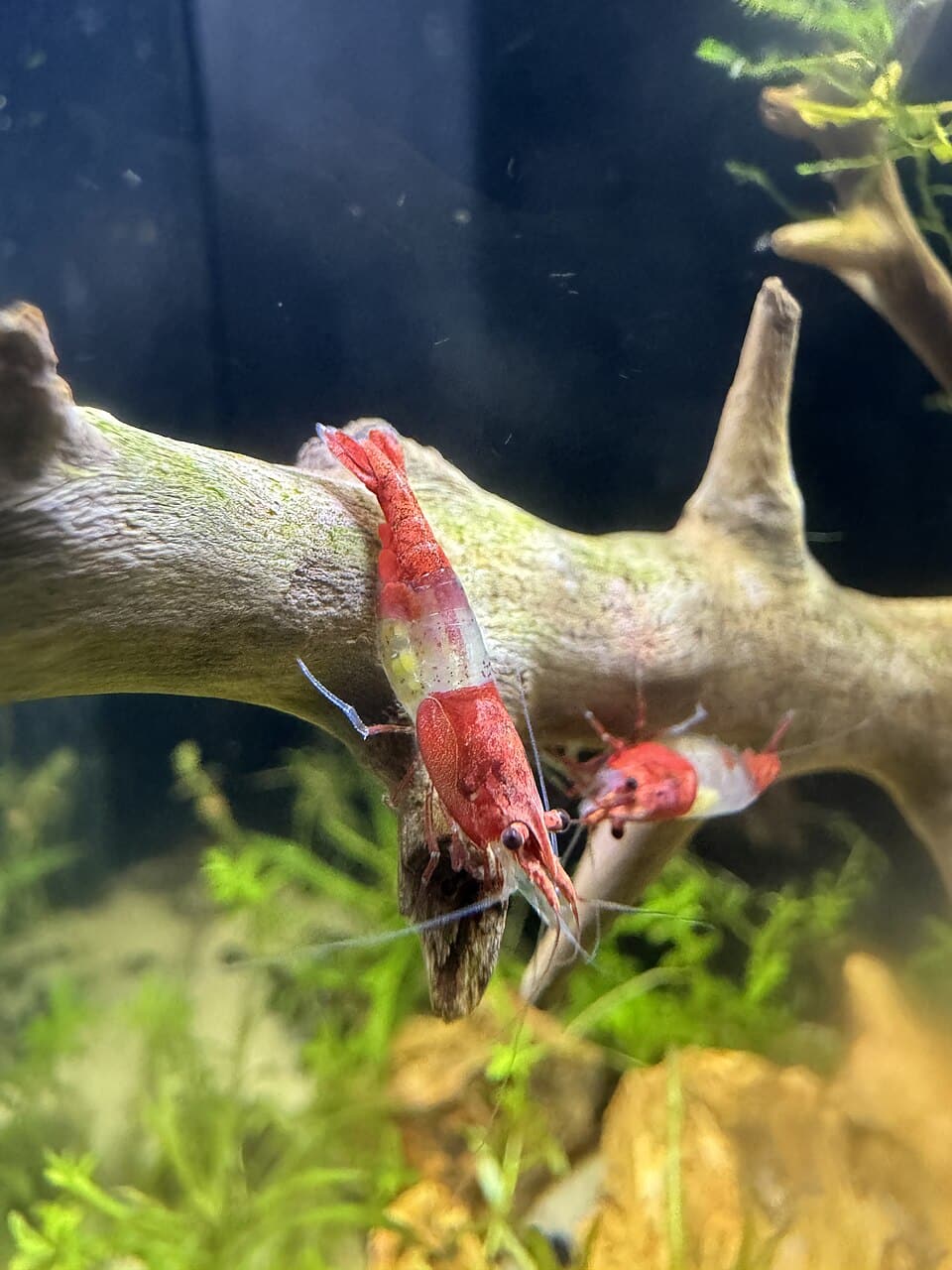
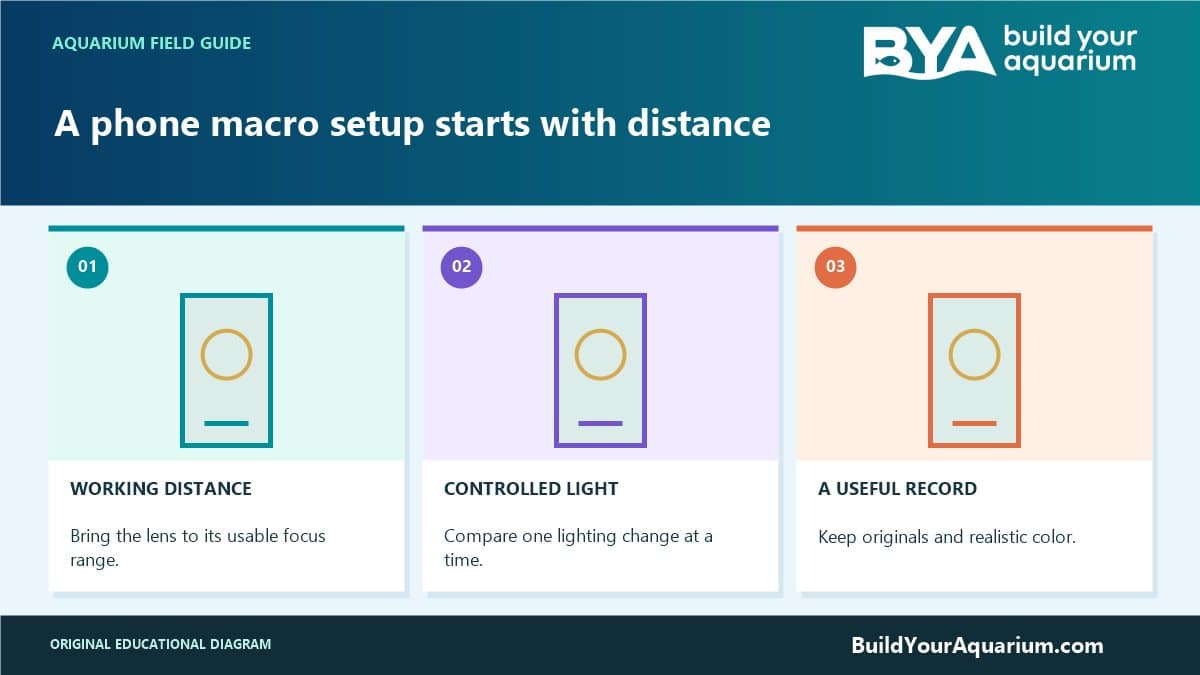
Cass’s post includes her own example images and equipment photographs. The photograph here is an independently licensed shrimp image, not one of Cass’s photographs or proof that her setup produced it. The accompanying diagram summarizes the approach. The transferable idea is careful control of distance and light, not a promise attached to one phone model.