Ocean pollution includes plastic litter, lost fishing gear, excess nutrients, oil and other contaminants. Preventing waste from entering drains and waterways is more effective than relying on cleanup alone. The NOAA overview of ocean pollution explains the main pathways and impacts.
Reduce disposable waste where practical

Use a refillable bottle where drinking water is safe, carry a reusable bag and choose products with less unnecessary packaging. Reuse what you already own instead of repeatedly buying replacements marketed as environmentally friendly.
Keep bin lids closed, secure rubbish on boats and take beach waste home when bins are full. Follow local recycling instructions: a recycling symbol does not guarantee that your collection service accepts the item. Keep necessary accessibility items, including straws, available to people who need them.
Keep fertilizer and garden waste out of runoff

Excess nutrients can fuel algal growth; decomposition can then reduce oxygen available to aquatic animals. An “organic” label does not make fertilizer harmless when it washes into water.
The EPA’s yard guidance recommends applying fertilizer only when needed and at the specified rate, avoiding application before rain, and keeping it away from waterways. Sweep spills off paving rather than washing them into a drain.
Avoid overwatering, retain useful ground cover and choose locally appropriate plants. Keep grass clippings and leaves out of gutters. Suitable rain gardens and other runoff controls can help where local conditions allow.
Dispose of household waste correctly

Do not flush wipes, contact lenses, floss, menstrual products or cigarette butts. Keep oils, paints, solvents and pesticides out of storm drains and waterways.
For leftover products, follow label instructions and your local collection service’s rules. EPA household hazardous waste guidance explains why some household materials require special disposal. “Natural” does not automatically mean safe to release, and cleaning chemicals should not be mixed.
Pick up litter only where it is safe to do so. Report hazardous containers or tangled wildlife to the appropriate local service instead of handling them yourself.
Use water responsibly

Repair leaks, avoid unnecessary irrigation and run washing machines with suitable full loads. Maintain septic systems and follow local wastewater advice. Pollution risks depend on local drainage and treatment infrastructure, so learn whether nearby street drains discharge directly into streams.
Understand the role of carbon dioxide
Ocean acidification is a change in seawater chemistry caused primarily by absorption of atmospheric carbon dioxide. It can make conditions harder for shell-building organisms. NOAA’s acidification explanation describes this process; buying organic food alone cannot be presented as a demonstrated solution.
Household choices work alongside effective waste collection, wastewater treatment, industrial controls and emissions reduction. Support improvements that address those systems as well as reducing your own waste.
Responsible aquarium keeping
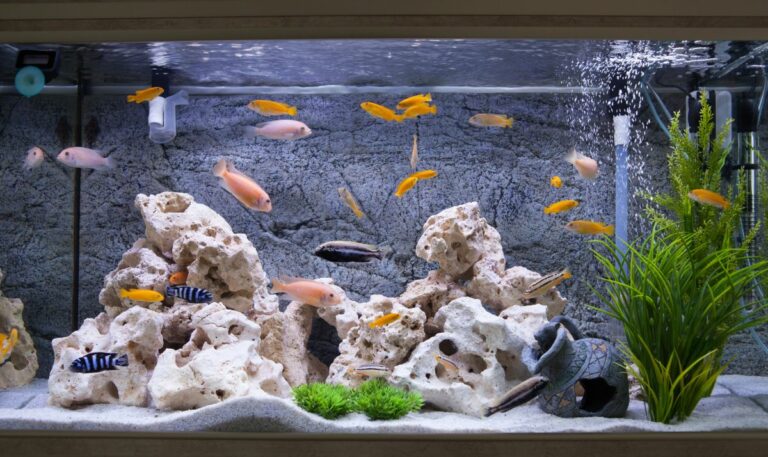
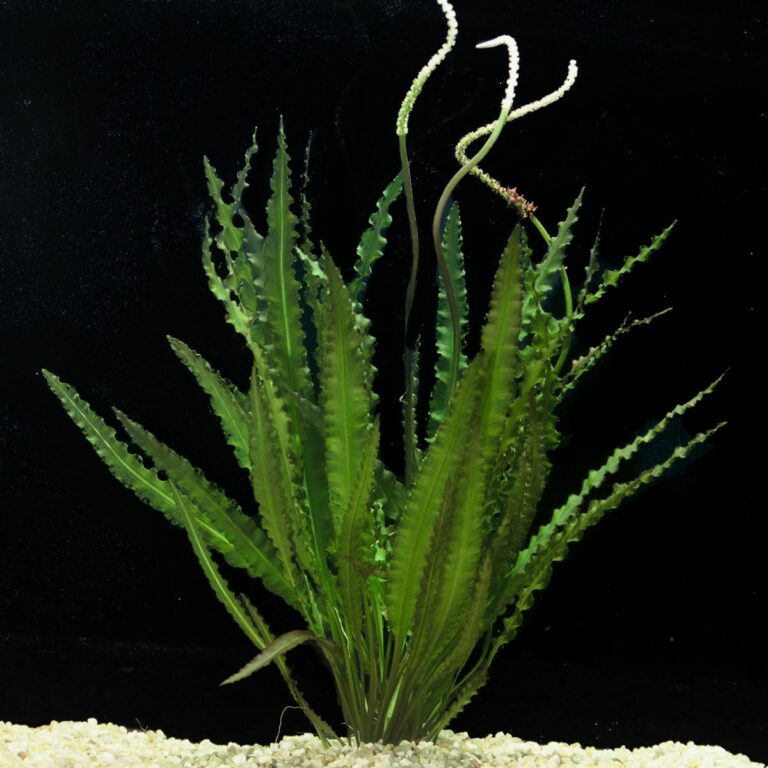
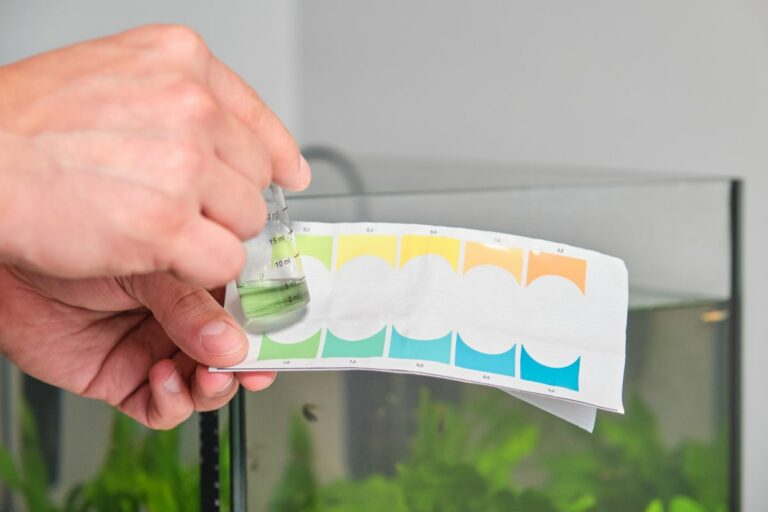
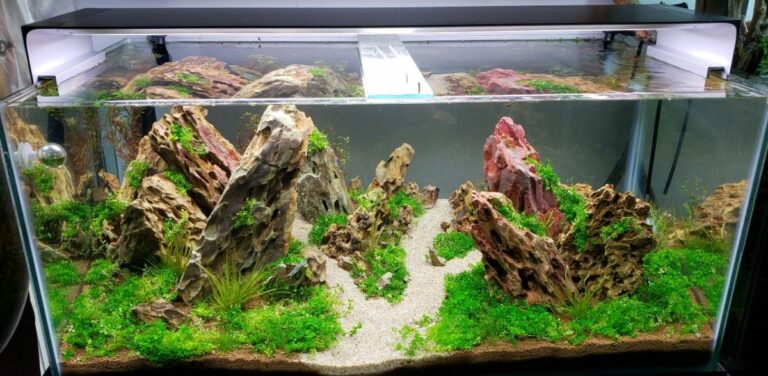
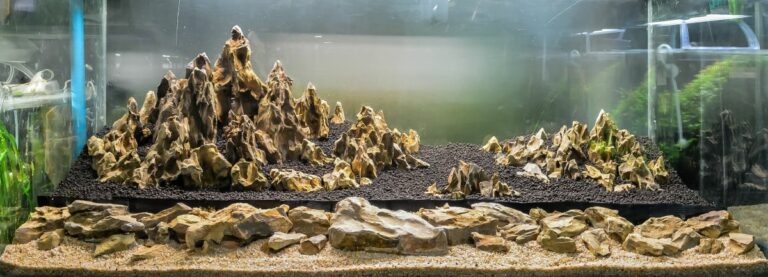
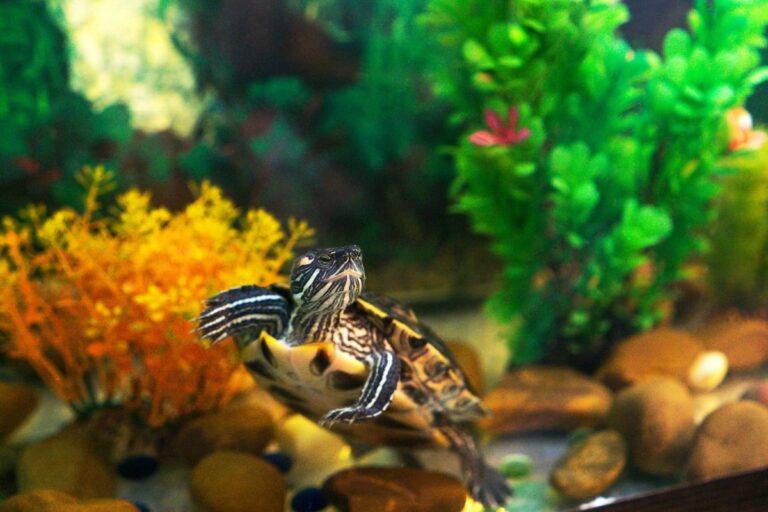
Never release fish, invertebrates, plants or aquarium contents into natural waters. Keep plant fragments out of outdoor drains and obtain local disposal advice for medication or chemically treated water. Our aquarium sustainability guide and maintenance guide cover practical steps for fishkeepers.