A blackwater-style aquarium uses tannin-stained water, wood, and often leaf litter to create subdued conditions. The color is only one part of the setup. Choose the fish first, then establish the hardness, buffering, temperature, and maintenance they actually need. Adding brown extract to hard tap water does not automatically create a suitable soft-water habitat.

Choose between the appearance and a specialist biotope
A lightly tinted community aquarium can retain water chemistry suitable for its inhabitants. A specialist biotope aims to reproduce a particular habitat more closely and may involve very low mineral content and acidic conditions. These are different projects with different demands.
For a biotope, identify the region and species rather than mixing every fish described as “blackwater.” For example, Boraras brigittae inhabits Bornean blackwater environments; the Amazon is a different habitat. A fish’s source, adult size, group needs, diet, and temperature matter alongside pH.
Prepare repeatable water chemistry
Test your source water for GH, KH, and pH. If its mineral content is unsuitable, plan an appropriate blend or a remineralized reverse-osmosis supply. There is no universal 50:50 tap-water recipe: the result depends on both starting waters and the target conditions.
Do not use unprepared purified water simply because a photograph shows a dark aquarium. Specialist low-conductivity systems require careful management. A TDS or conductivity meter can help track consistency, but does not identify which minerals are present or replace the necessary tests.
Keep a written preparation method and check replacement water before adding it. The water-parameter guide explains the measurements, while Aqueon’s chemistry guidance discusses the distinction between pH and mineral conditions.
Use a manageable amount of botanicals
Choose aquarium-suitable wood and correctly identified, clean leaves. Add modest amounts first and observe the response. Indian almond leaves provide litter and tannins, but do not guarantee a specific pH or act as a complete water-softening treatment.
Use known substrates and rocks. Carbonate-containing materials may work against a soft-water plan, while active substrates can affect chemistry in their own way. Avoid stacking peat, soil, extracts, and other acidifying materials without understanding their combined effects.
Bottled blackwater products are optional. Check what the product does, dose by its instructions, and measure the result. Water color is not a dosing test. Tannin release varies, and clearing water does not by itself prove the tank has become unsuitable.
Keep filtration and oxygen supply
A blackwater aquarium still needs effective waste processing and circulation appropriate to its animals. An established biological filter is compatible with tinted water; ordinary mechanical foam does not make the whole blackwater effect disappear. Carbon and some adsorptive media may reduce dissolved color, depending on what is used.
Cycle the aquarium and monitor ammonia and nitrite. Low pH does not make an unestablished tank safe. Maintain gas exchange and remove excessive decaying material; do not deliberately leave every dead plant in place because the layout contains leaf litter.
Choose fish and plants for the actual conditions
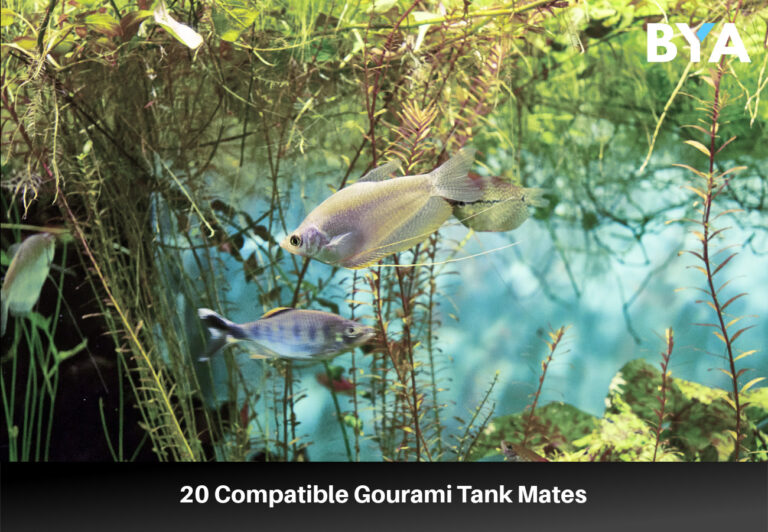
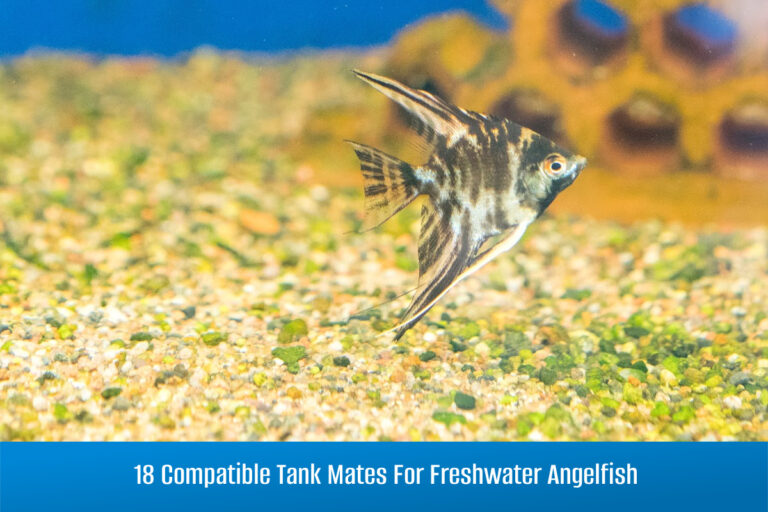
Some tetras, dwarf cichlids, gouramis, and rasboras can suit particular versions of this setup. Research exact species and avoid generic lists that include incompatible sizes, temperatures, or mineral requirements. A small tank is not automatically easier just because it uses less prepared water.
For planting, assess the light reaching the leaves through the tint and shade. Suitable low-demand plants may include Java fern or Anubias in a style-focused layout, but geographic authenticity and tolerance of very soft, acidic water are separate questions. Continue testing and water changes according to the system’s needs.