Platies are small, colorful livebearing fish that work well in a planted aquarium with stable, reasonably hard water. Their main challenges are preventing overcrowding and managing persistent mating behavior, rather than encouraging them to reproduce.

Species and color varieties
The fish sold as platies commonly include Xiphophorus maculatus, X. variatus and aquarium strains with mixed ancestry. Mickey Mouse, wagtail, tuxedo and sunburst describe appearances, not separate species. Color or body thickness alone does not reliably prove a fish’s ancestry.

Adults commonly reach roughly 5–7 cm (2–3 inches), with size varying by sex and strain. Do not plan the aquarium around a claim that every platy will stay below two inches.

Tank setup and water
A 20-gallon aquarium provides more useful room for a group and potential young than a small starter setup. Keep an open swimming area and planted cover that breaks lines of sight. Use an established filter and protect its intake if fry are present.

Aquarium Co-Op’s firsthand care guide describes platies as suited to harder water and notes differences between common and variatus platies. Know what fish you are buying and ask about their existing conditions. Around 22–25°C (72–77°F) is a practical starting range for many common aquarium platies; do not assume every strain or variatus stock needs identical heating.
Keep ammonia and nitrite at zero and monitor nitrate. Use conditioned, temperature-matched water for partial changes and remove waste. Platies should not be used to test whether a new tank can process ammonia; establish the biological filter before stocking.
Feeding and companions

Use a complete small-fish food with suitable plant ingredients. Offer small portions and remove leftovers. Algae grazing is normal but does not make a platy a cleaning service or replace its diet. Appropriate frozen foods can provide variety, but freezing does not justify claiming that every possible pathogen has been eliminated.
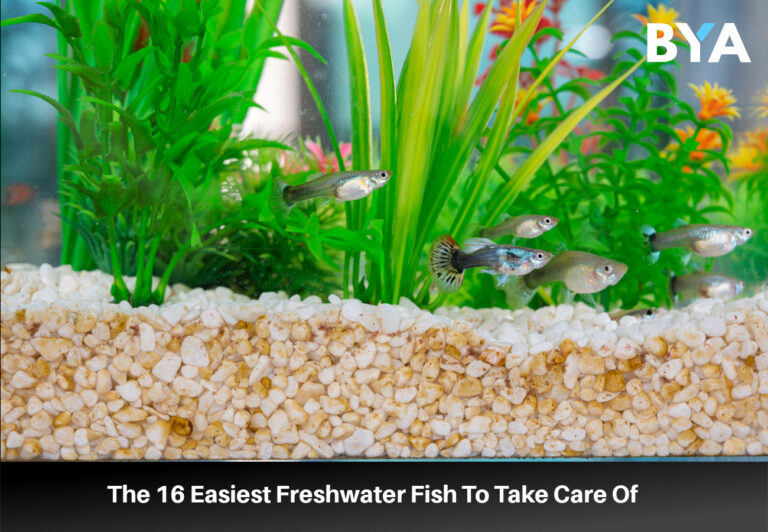
Choose peaceful companions that share the aquarium’s temperature, hardness and available space. Guppies can be candidates where conditions match, but account for the combined population. Avoid predators, fin nippers and very warm-water species chosen solely because they are peaceful.

Male platies may chase rivals and females. Give fish space and planted cover, and intervene if an individual cannot rest or eat. Keeping at least two females per male can reduce pressure in a mixed-sex group, but it also creates more fry. Do not add females to an already crowded tank as a quick fix.
Sexing, breeding and fry

Mature males have a narrow gonopodium in place of the normal fan-shaped anal fin. Females usually have a fuller body and a fan-shaped anal fin. An abdominal dark spot is not an exact pregnancy clock, and swelling with illness signs should not automatically be treated as pregnancy.
Females give birth to live young and can retain sperm, so separating sexes does not immediately prevent further births. Platies can hybridize with other platy forms and swordtails; they do not freely interbreed with every livebearing species.

Adults may eat fry, but dense plants can allow enough to survive for the aquarium to become crowded. If deliberately raising young, prepare a separate mature system with a protected intake and appropriately fine food. Small, frequent feeds need equally careful waste removal. Avoid keeping a female confined in a tiny breeding trap for long periods.
Plan suitable homes for offspring. Do not release unwanted platies into natural water, and do not depend on predation to keep an overstocked aquarium manageable. For planting cover, hornwort is one option if its growth fits the tank.