Hillstream loaches are specialized grazing fish, not a universal algae solution. This guide focuses on the commonly sold reticulated hillstream loach, Sewellia lineolata. Other fish sold as hillstream or butterfly loaches may belong to different genera and need their own identification and care check.

Know the species before buying
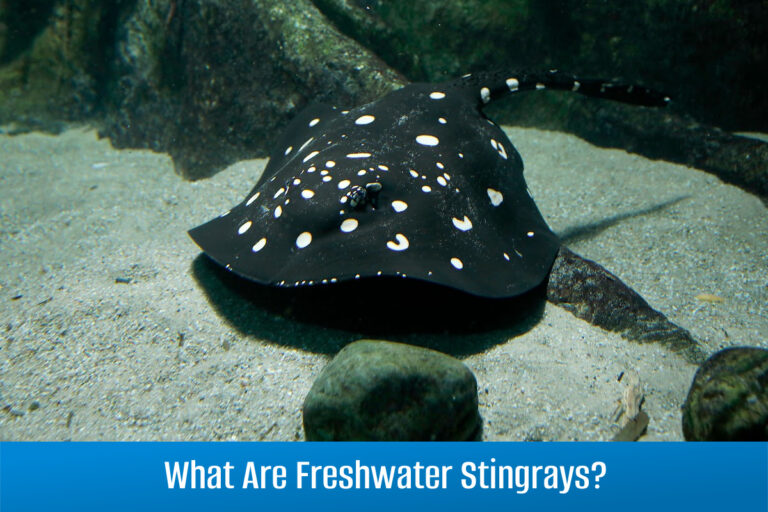
Sewellia lineolata is a small, flattened loach reaching about 6.5 cm in standard length. Broad paired fins help it hold position on surfaces in moving water. It is neither a pleco nor a freshwater stingray.

Choose alert fish that graze actively and have a well-filled body. A deeply hollow abdomen can signal serious depletion. Do not assume that simply putting an emaciated arrival into a green aquarium will restore its condition.
A mature, oxygen-rich aquarium

Seriously Fish gives a minimum base of 75 × 30 cm for general care. A longer, wider aquarium is preferable for a group and provides more grazing territories. Plan around six fish when space and available food support them; extra fish cannot compensate for too few feeding surfaces.
A useful reference range is 20–24°C (68–75°F), pH 6.0–7.5 and 1–10 dGH. Provide clean water, vigorous oxygenation and substantial circulation, with calmer places where fish can rest. Directing a pump through stagnant water does not automatically supply oxygen: surface gas exchange matters.
Use a cycled filter and allow grazing surfaces to mature before stocking. Keep ammonia and nitrite at zero. Protect pump intakes and fit a secure cover, because these fish can climb glass.
Grazing surfaces and direct feeding
Build a stable arrangement of smooth stones with open surfaces and shaded gaps. Avoid stacking rocks where a fish can become crushed. Good lighting can support algae and the microorganisms living among it; leave useful grazing growth when cleaning.
Supplement grazing with small, accessible foods such as suitable gel foods, sinking foods and appropriate frozen foods. Confirm that your fish accept them. Loaches Online reports successful feeding on prepared aquarium foods after the fish learn to recognize them. Competition may prevent a timid individual from getting enough.
Plants are optional cover rather than a requirement. Anubias and Java fern can grow attached to secure hardscape.
Companions and health

Choose peaceful companions that share the relatively cool water and can cope with circulation. Not every tetra or rasbora fits those conditions. Other grazing fish can compete for the same limited food even when they never fight.
Check water quality, temperature, oxygenation and feeding if a fish loses weight, breathes rapidly or stops grazing. Weight loss is a symptom, not a single bacterial disease. Obtain a diagnosis before adding antibiotics or other treatments.
White spots do not justify raising the temperature blindly, and cottony growth does not establish that salt will cure the problem. Use quarantine with suitable oxygenation for new arrivals and follow treatment guidance appropriate to the fish and condition.
Breeding

Sewellia can reproduce in mature aquariums. Eggs are released into the current, and gaps between rounded substrate particles can shelter developing young. This is not a nest-building recipe shared by every hillstream species.
Protect fry from intakes and competition, and provide appropriately small foods and established grazing surfaces. Breeding attempts should preserve stable water quality rather than treating a specific temperature increase as a guarantee of spawning.