

Tiger barb companions need matching water conditions, suitable adult space and the ability to feed without continual harassment. There is no reliable “10/10” fish that makes every tiger-barb community safe. A well-managed tiger-barb-only aquarium is often simpler.

Start with the tiger barb group
Read the tiger barb care guide first. Keep a substantial group, often 8–10 or more where capacity allows, in a long aquarium with open swimming room and retreat areas. Larger groups may distribute attention but do not guarantee an end to fin nipping.
Measure temperature and chemistry, account for the adult group of every additional species and prepare a separation option. Avoid slow, long-finned fish such as bettas, fancy guppies and angelfish. Avoid predators and do not use barbs as expendable dither fish.
Nineteen commonly suggested companions, assessed
1. Cherry barbs

Generally calmer than tiger barbs and potentially vulnerable to being overwhelmed. Their peaceful nature does not “balance out” aggression. Keep a proper group with retreat areas and watch feeding access.
Cherry barbs care and planning.
2. Rosy barbs

Can be candidates in a long aquarium where temperatures overlap. They need their own group and adult space. Larger size does not make continual nipping acceptable.
3. Tinfoil barbs

Become large, fast-swimming group fish. They are not practical additions to a normal tiger-barb tank. Plan their very large adult enclosure first rather than buying juveniles to withstand bullying.
4. Odessa barbs

Potential candidates where water conditions and activity match, with room for both social groups. Watch interaction between species; another barb name does not establish compatibility.
5. Black ruby barbs

Need a proper group and planted refuge. Assess feeding competition and chasing rather than promising that they can always tolerate tiger barbs. A separate calmer setup may be preferable.
6. Mollies

Stock differs in size, fin shape and water requirements. Short-finned fish may be candidates where conditions overlap, but do not add salt or tolerate damage simply because mollies are hardy.
7. Platies

Can be candidates only where chemistry, temperature and activity fit. Observe smaller individuals closely. A stocky body does not make them immune to harassment, and births can quickly increase stocking.
8. Swordtails

Need a long aquarium and their own social plan. The male sword can attract nipping, but choosing females does not guarantee safety. Previously exposed females may still produce broods.
9. Bristlenose plecos

An identified, appropriately sized species may be a candidate with suitable shelter and its own diet. Armored skin is not protection from every injury, and barbs can still steal sinking food.
10. Clown plecos

Confirm identity and provide species-appropriate food, wood and shelter. Their small adult size relative to common plecos does not make them automatic cleaners or guarantee protection from harassment.
11. Cory-type catfish

Choose a species with matching conditions and keep an appropriate own-species group. Different-looking catfish are not interchangeable substitutes for social companions. Ensure food reaches them and watch vulnerable fins and barbels.
12. Clown loaches

Large, long-lived group fish that require much more space than a typical tiger-barb aquarium. Do not buy them as small bottom-dwelling accessories; their adult housing plan must come first.
Clown loaches care and planning.
13. Kuhli-type loaches

Quiet bottom-dwellers can miss meals in a busy tank. They need a group, safe substrate, cover and protected intakes. Living near the bottom does not make them invisible to tiger barbs.
14. Tetras

Assess a particular species rather than all tetras together. Avoid tiny, timid or trailing-finned fish. Active robust candidates still need matching water, their own group and adequate swimming room.
15. Red-tailed black sharks

Territorial bottom-dwellers that need substantial footprint and a careful stocking plan. Adding a territorial fish is not a reliable way to make tiger barbs behave; it may create a second conflict.
Red-tailed black sharks care and planning.
16. Silver dollars

Large schooling fish with substantial swimming and plant-grazing demands. They are not a sensible choice solely because they can outgrow tiger barbs. Identify the species and plan adult group housing.
Silver dollars care and planning.
17. Zebra danios

Possible candidates in a sufficiently long aquarium with overlapping temperature and chemistry. Keep their own group and observe interaction. Fast swimming does not guarantee escape from persistent pursuit.
Zebra danios care and planning.
18. Severum cichlids

Large cichlids with their own adult space and territorial needs, particularly during breeding. They are not a routine solution for a modest tiger-barb tank or an invitation to let fish “stand up” to bullying.
19. Apistogramma dwarf cichlids

Species differ in water and temperature needs, and extended fins or breeding behavior can complicate mixing. Hiding places do not guarantee safety. Plan a specific species combination rather than recommending the whole genus.
Recognize a combination that is failing
Repeated fin damage, a fish permanently hiding, missed meals or continual chasing needs action. Separate affected fish, investigate injuries and test water. Do not wait for visible wounds to become severe or assume the animals will eventually settle their differences.
Feed in more than one location if necessary and verify that bottom-dwellers actually eat. Sinking pellets can still be intercepted by tiger barbs. Remove leftovers rather than increasing food until every fish happens to find something.
Quarantine additions in a separate established aquarium before mixing them. Introducing tiger barbs last, rearranging decor or adding plants may change behavior, but none guarantees compatibility. A plan to separate fish matters more than a particular introduction order.
Do not overcrowd the aquarium to distract the barbs. If there is not enough space for another species to meet its own needs, maintain the existing tiger-barb group well instead of adding a fish from a list.
Can Tiger barbs survive with neon red Mexican crayfish …if kept in schools of 9 or ten
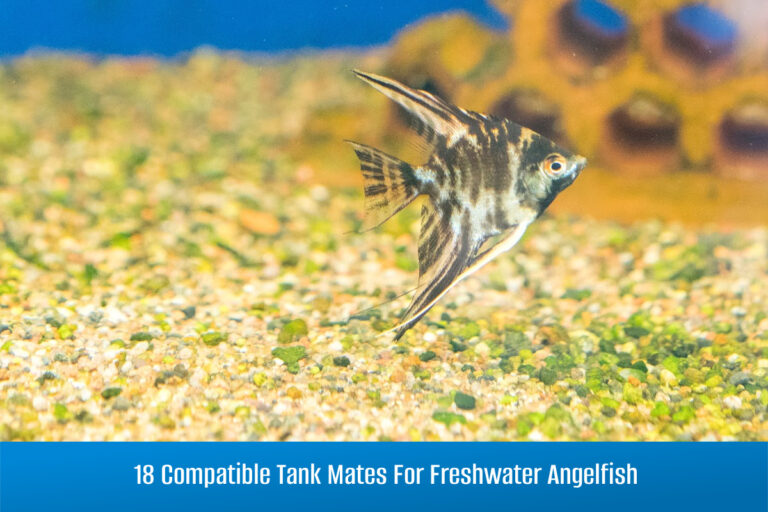
There are always exceptions….my 7 Tiger barbs 2 juvenile angels 2 SAEs and crusty crayfish doing just swell in their 30 gal long…so there….barbs race up and down tank angels cruise around hi then low in their end zone territory and SAEs munch away on algae..Larry the lobster just molted lost both big claws so he is currently no threat…wa la a happy tank!!!!