

Discus do not need other species to complete their aquarium. A well-planned discus group is often easier to feed and observe without additional fish. If you want companions, choose them around the maintained temperature, water chemistry and adult space already required by the discus.

These nine commonly suggested options vary considerably in suitability. They should be assessed individually, not combined as a complete stocking list. A fish tolerating high temperature briefly is different from thriving there throughout its life.

1. Sterba’s cory: check the temperature overlap

Hoplisoma sterbai, commonly sold as Corydoras sterbai, needs a group and direct sinking food. The species reference lists 24–28°C. That makes it more plausible at the lower end of suitable domestic discus conditions than in a tank held permanently at 30°C. Do not label every cory a discus companion or expect one to survive on leftovers.
2. Marbled hatchetfish: not for every warm discus tank

Carnegiella strigata needs a group, surface feeding and a tightly covered aquarium. Its reference range reaches 28°C, so a hotter setup is a poor default match. Provide sheltered surface areas without compromising the discus’ oxygenation or swimming space.
3. Rummy-nose tetras: identify the species

Several Petitella species share this name. Check the actual species and temperature needs using the rummy-nose guide. Keep a suitable group with adequate room and feeding access. A pale nose can signal stress, but cannot replace ammonia, nitrite or other water tests.
4. Cardinal tetras: a common candidate with limits

Paracheirodon axelrodi is generally a more plausible warm-water candidate than the cooler-water neon tetra. Seriously Fish lists 23–29°C, so compare that with the discus’ actual maintained conditions. Allow room for the tetra group and assess predation risk from the size of the individual fish; juveniles are not automatically safe.
5. Small plecos: select by exact identity

“L-number pleco” is not a single care category. Some need warmer water than others, and diets differ substantially. A zebra pleco needs appropriate animal-rich food, whereas another species may graze more heavily. Neither should be fed only algae wafers by default.
Watch for rasping at a discus’ flanks and separate fish immediately if it occurs. Choosing a small species or feeding generously does not guarantee that the behavior cannot develop. Compare the pleco types guide before selecting one.
6. Assassin snails: a conditional addition

Assassin snails are predators and scavengers with their own food and shell-health requirements. A very soft, acidic specialist discus aquarium may be unsuitable. A piece of zucchini does not correct incompatible water chemistry, and adding scavengers does not remove waste from the system.
7. German blue rams: suitable water is only the start

Mikrogeophagus ramirezi requires warm, clean water, but also direct feeding and a territory. A breeding pair can defend the lower aquarium vigorously. Assess floor space and separation options rather than assuming that two relatively peaceful cichlids will never interfere with each other.
8. Beckford’s pencilfish: often too cool a preference

Nannostomus beckfordi is a group fish with a reference temperature range of 21–27°C. That makes it a poor routine recommendation for discus held at 28–30°C. Choose companions for long-term conditions instead of using the nearest edge of a tolerance range as a compromise.
9. Royal whiptail: a substantial specialist commitment

The fish formerly called Sturisoma panamense is now Sturisomatichthys panamensis. ScotCat records up to 26 cm and describes a large planted aquarium with peaceful companions. Confirm the identity sold and allow floor space, grazing surfaces and suitable direct food. It is not a small “twig catfish” for any 20-gallon tank.
Combinations that add extra complications

Angelfish can compete strongly at meals or become territorial when pairing. Keeping them with discus is a more complicated project than matching a temperature number. A discus-only setup is easier to monitor if this is your first group.

Clown loaches need a large social group and far more adult space than their shop size suggests. Their activity and feeding competition can also be unsuitable for quiet discus. Do not add a single juvenile as a cleanup fish.
Observe the whole community
Quarantine additions and confirm that every fish can eat without being chased away. Recheck suitability as fish mature, spawn or increase in size. If the discus maintenance routine is already demanding, postpone companions instead of adding another source of food competition and waste.
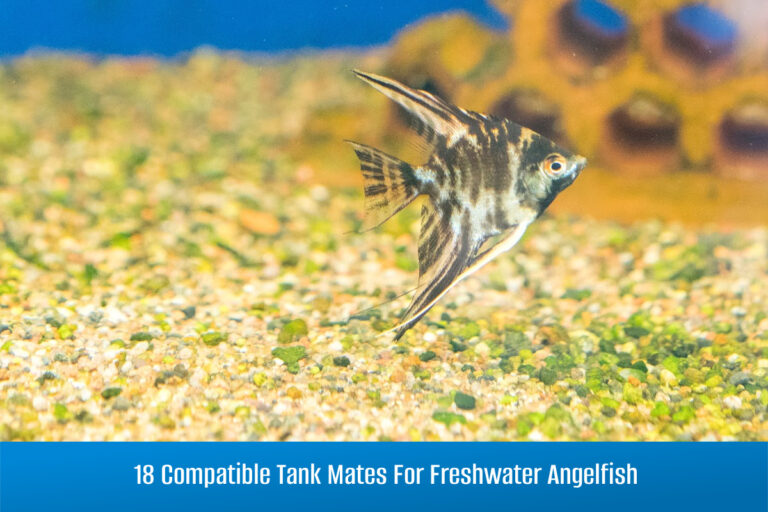
I find raising discus fry with angel fish fry make the discus more aggressive and less shy I am talking about once you remove them from the parents you pair them with angel fish fry the same size or smaller and you will not believe how to discus act due to tanks together one with the angelfish 1 without and you will see your discus with eat Better
A very good site with lots of information. I don’t remember how I got to your site after reading so many articles I forgot. But this is a great learning experience for me as I’ve got a 120 gallon tank and want to set it up for Discus and wasn’t sure about a lot of the information I needed and what other fish could go with them. Thank you for all the information I have found so far, I look forward to reading your e-book that I’m going to download on my iPad.