A brackish aquarium contains water saltier than freshwater but less salty than seawater. It is not one fixed recipe. Choose the fish first, then set a measured salinity and adult housing plan for that species. Salt tolerance alone does not establish that different fish belong together.
Mixing and maintaining brackish water
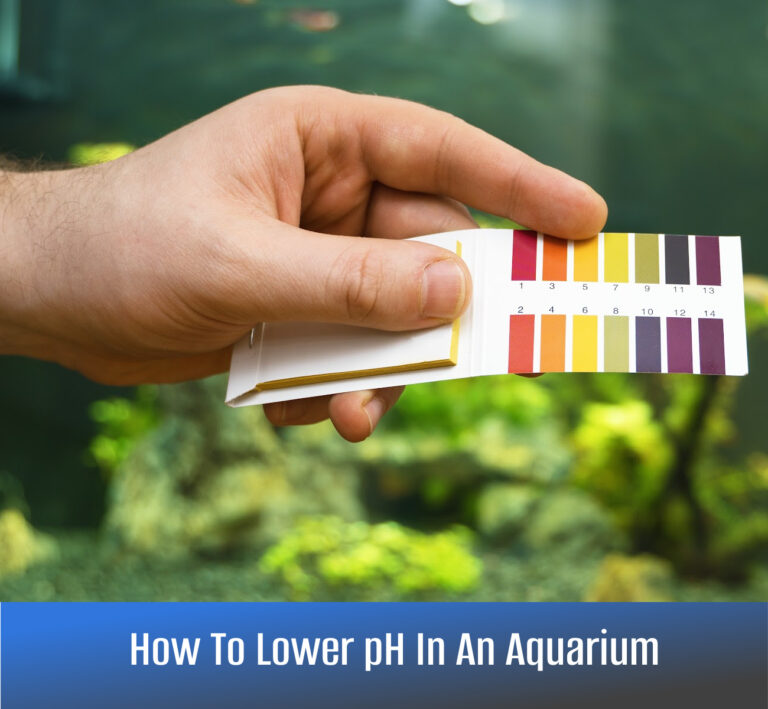
Use a suitable marine salt mix and a calibrated instrument that measures accurately at the intended low salinity. Ordinary aquarium salt and table salt do not reproduce the full mineral composition. The Aqueon brackish guide explains the need to select and maintain a suitable level for the inhabitants.
Specific gravity, such as 1.005, is not the same unit as salinity in parts per thousand. Follow the instrument’s temperature and calibration instructions. Prepare replacement water separately, matching temperature and measured salinity before a water change.
Replace evaporation with appropriate freshwater because salt remains behind. Replace removed aquarium water with the planned brackish mix. Test salinity regularly rather than dosing a spoonful per bucket indefinitely.
Cycle the filter for the intended conditions and maintain zero ammonia and nitrite. A large salinity change can disrupt an established filter, plants and livestock. Match arrivals to their transport conditions and make planned changes gradually with monitoring; do not abruptly salt an existing community.
Betta mahachaiensis
This coastal Thai betta occurs in brackish habitats and can be maintained in suitable freshwater or lightly brackish conditions. It does not require very acidic water or extraordinarily hard water. The species profile gives pH 7–8.5 and recommends a sheltered, covered aquarium.
For a dedicated pair, start around a 45 × 30 cm base or larger, with dense cover and access to the surface. Monitor pursuit and have a separation plan. Do not treat ordinary domestic bettas as equivalent brackish community fish.
Archerfish

Identify the archerfish before planning salinity. Toxotes jaculatrix is associated strongly with estuaries and mangroves, while other archerfish have different habitat requirements. “All adults must become marine” is not a safe rule for the group.
Large species can reach around 30 cm and need broad, spacious housing; a social group requires more than the footprint of a single fish. If creating an insect-hunting display, calculate the actual water volume below the land area and keep a secure cover. Confirm acceptance of suitable floating foods and varied aquatic or cultured insect foods.
Figure-eight puffers

Dichotomyctere ocellatus, commonly sold as Tetraodon biocellatus, is a small puffer for a carefully planned setup. A 20-gallon long is a useful starting point for one. Low brackish conditions around specific gravity 1.005 are commonly used, but discuss the fish’s existing water and long-term care with a knowledgeable supplier.
Do not assume a peaceful-looking individual is community-safe. Provide suitable varied small foods, including appropriate shell-on items, and monitor feeding and tooth condition. Compare the species distinctions in the puffer guide.
Green spotted puffers

Dichotomyctere nigroviridis is a larger, active puffer that can reach about 17 cm. Plan a long dedicated aquarium, around a 4-foot footprint or more, with sufficient width and filtration for the adult.
Confirm identification and a measured long-term salinity plan; similar spotted puffers are easily confused. Do not impose a universal timetable of salinity increases based only on age. Companions can be bitten, and feeding more does not eliminate that risk.
Dragon gobies

Gobioides broussonnetii can exceed 60 cm in body length. It needs a broad, long aquarium with sand, secure refuges and food delivered where it can feed without competition. Teeth and appearance do not make it a typical fish-hunting predator.
Plan measured brackish conditions appropriate to the stock and provide a varied diet including suitable plant material. The dragon goby guide covers feeding and adult space. A narrow 60-gallon aquarium is not a universal adult solution.
Mollies

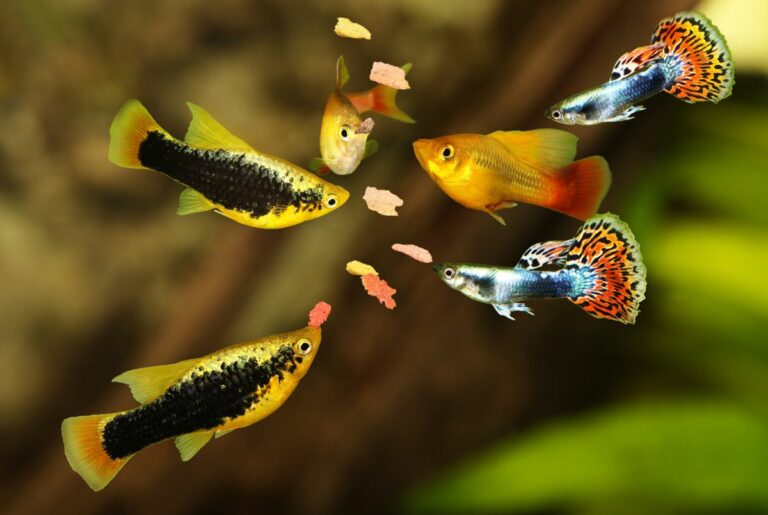
Many mollies tolerate brackish conditions when appropriately acclimated, but they do not all require salt. Healthy freshwater stock can remain in suitable mineral-rich freshwater. Confirm the species, strain, source water and adult size before choosing companions.
Use a suitable complete diet with plant or algal content and allow space for active adults. Their tolerance does not make them safe with every puffer or predator. The molly salinity guide explains why a transition needs planning.
Ropefish: do not assume salt is needed

Erpetoichthys calabaricus is a freshwater polypterid, not a standard high-salinity brackish choice. Do not use an assumed tolerance up to specific gravity 1.020 as a care target. It needs a long aquarium, escape-proof cover and uninterrupted access to atmospheric air.
Small companions can be eaten, and active fish may intercept its food. Use a dedicated freshwater plan appropriate to the actual fish instead of treating it like a goldfish companion or an interchangeable eel.
Waspfish and leaf goblinfish

The retained photograph is a leaflike scorpionfish illustration, not a reliable identification of a brackish leaf goblinfish. Confirm the species before selecting salinity or handling it.
Neovespicula depressifrons reaches around 10 cm and requires a specialist brackish or marine plan. Aquarium Glaser’s firsthand account warns that freshwater-sale juveniles are not a permanent freshwater choice. It can eat small fish and has venomous spines. Use appropriate handling equipment and never handle it bare-handed.
Indian mudskippers

Mudskippers need exposed land as well as water. Confirm the species: trade names and photographs can confuse Periophthalmus novemradiatus with relatives. Provide humid air, warm water, easy access to land and a secure ventilated cover.
For a small group, a broad footprint such as a 40-gallon breeder offers room to build separate land territories. Actual water volume will be much lower than nominal tank capacity. Use a species setup, monitor territorial disputes and offer suitable small live or frozen foods; do not assume all dry foods cause intestinal swelling.
Green scats

Scatophagus argus is a substantial group fish, not an 8-inch fish guaranteed to fit a general community. Fishes of Australia records specimens around 33 cm in body length and notes venom-bearing fin spines.
Plan a large, broad aquarium, typically a 6-foot system or larger depending on group and adult size. Include suitable plant-rich complete food and varied supplements. Confirm the intended brackish or marine conditions, and protect hands during maintenance.
Tire-track spiny eels: identify before choosing water
Fish sold as Mastacembelus armatus or M. favus have confused trade identities and can become very large. Do not select one merely to fill a brackish bottom-dweller category or assume every stock needs specific gravity 1.005.
Obtain species and source information, then plan suitable water, a broad adult aquarium, smooth substrate, refuges and escape prevention. Small fish and shrimp can become food. A 125-gallon label does not by itself establish adequate adult turning room.
Colombian shark catfish
Ariopsis seemanni is a large coastal catfish, often sold as a small freshwater “shark.” It can approach 40 cm or more and needs very large housing for its active social behavior. Plan brackish to marine maintenance according to the stock and specialist advice.
This is not a routine 10-inch community catfish. Smaller fish can be eaten, and fin spines complicate handling. Adult size, group space and filtration must be practical before purchase.
African moonies
Monodactylus sebae is a deep-bodied, active group fish, not a catfish. It needs a large aquarium with both swimming length and height. Plan for adults up to roughly 25 cm and a proper social group, rather than buying one as a decorative addition.
Aquarium Glaser reports successful low-salinity maintenance; an obligatory increase to full seawater with age is too absolute. Establish a consistent appropriate level and choose companions that share it.
Golden topminnows: a separate freshwater option
Fundulus chrysotus is a small North American topminnow associated with freshwater habitats. Do not assume every native killifish is a suitable high-salinity brackish fish. A dedicated, covered freshwater setup with appropriate stock information is the more useful starting plan.
Choosing the community
Salinity overlap is only the first check. Compare adult size, food access, territorial behavior and land requirements. Quarantine arrivals, keep a separation option and maintain a regular testing and cleaning routine. A mudskipper enclosure, a puffer specimen tank and a large moony aquarium are different projects.