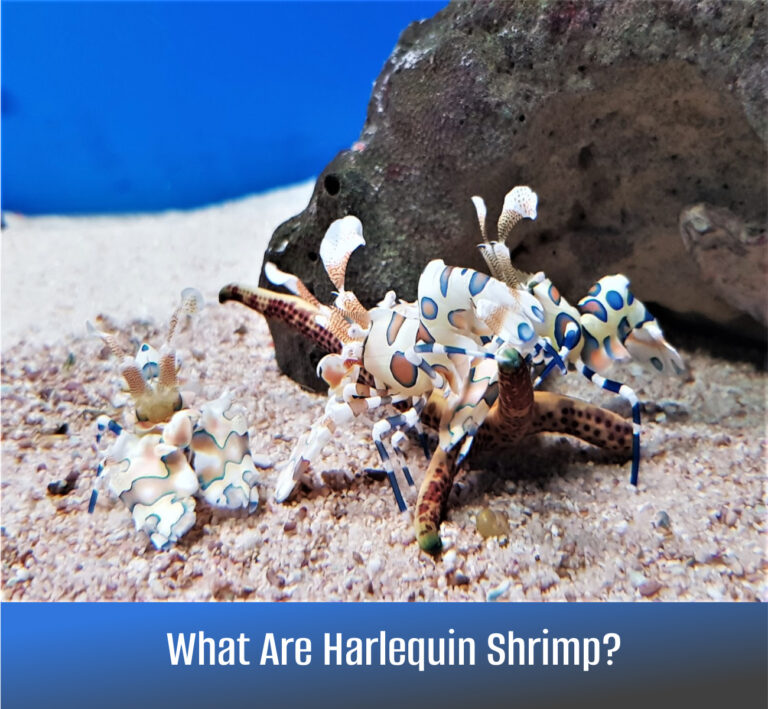
Choose a pistol shrimp by species and intended goby partner. Some popular aquarium snapping shrimp share burrows with shrimp gobies, while other species have different associations and behavior. An unidentified hitchhiker is not automatically equivalent to a small Randall’s pistol shrimp.

Common aquarium choices
Randall’s or red-banded pistol shrimp (Alpheus randalli) is a common choice for smaller shrimp gobies. Tiger pistol shrimp (A. bellulus) is another established aquarium species and can grow larger. Confirm the actual stock and adult space before choosing a pair.
LiveAquaria’s Randall’s shrimp account describes associations with Amblyeleotris and Stonogobiops. Its tiger shrimp profile describes a more substantial burrowing animal. Do not apply a single 10-gallon minimum to every shrimp-and-fish combination.
Build stable rockwork before the burrow
Place load-bearing rock securely on a stable base so digging cannot undermine it. Then provide suitable sand and small pieces of safe rubble for construction. Secure coral fragments and expect the shrimp to move loose material near its burrow.
A practical plan for a small shrimp-goby pair is a mature 20-gallon aquarium, adjusted upward for the fish’s adult size and other stock. Provide enough substrate for the chosen shrimp to shelter and excavate, but do not assume every species needs an entire four-inch-deep bed of crushed coral.
Maintain stable tropical marine water around 24–26°C (75–79°F), pH 8.1–8.4 and specific gravity around 1.025, checked against the supplied stock’s conditions. Keep ammonia and nitrite undetectable, protect pump openings and maintain oxygenated flow. Burrowing does not replace waste removal or guarantee that every deep substrate layer stays aerobic.
Choose a genuine shrimp goby

In suitable partnerships the shrimp maintains the burrow and the goby watches for danger. The Oregon Coast Aquarium describes these associations. Contact through the shrimp’s antennae helps coordinate retreat, but not every goby and pistol species forms this relationship.
Ask for a known compatible combination or an already associated pair. A yellow watchman or suitable Stonogobiops species is a different choice from a diamond sand-sifting goby. Common names containing “watchman” are not enough to establish pairing. Provide a secure lid for the goby.
Feed the shrimp as well as the fish
Offer small portions of suitable sinking or thawed marine food near the burrow entrance. Observe consumption and remove food pushed aside. A shy shrimp should not have to compete in open water for every meal, and two or three feedings per week are not a universal rule for every setup.
Other tiny shrimp, small crustaceans and animals entering the burrow may be at risk. Avoid shrimp-eating fish and opportunistic crabs. “Reef-compatible” does not guarantee safety for all mobile invertebrates or prevent a digging shrimp from burying a coral fragment.
What makes the snap?
The enlarged claw creates a fast water jet and a cavitation bubble. High-speed imaging and sound measurements showed that the loud sound comes from bubble collapse, rather than simply the claw surfaces hitting together. Keep fingers and small animals away from the claw instead of provoking a demonstration.
Breeding
Some species form compatible pairs, but introducing two random animals can lead to conflict. Do not identify sex from body size or claw size alone across every pistol shrimp species. Egg-bearing females and larval requirements need species-specific management; a display producing eggs is not necessarily raising juveniles.
Compare other marine shrimp choices if the aquarium lacks room for burrowing or an appropriate goby. These animals are individual residents, not automatic additions to every cleanup crew.