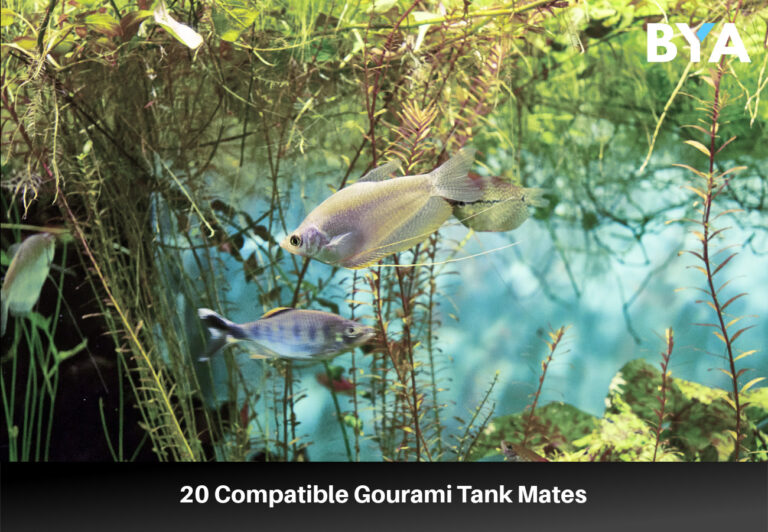
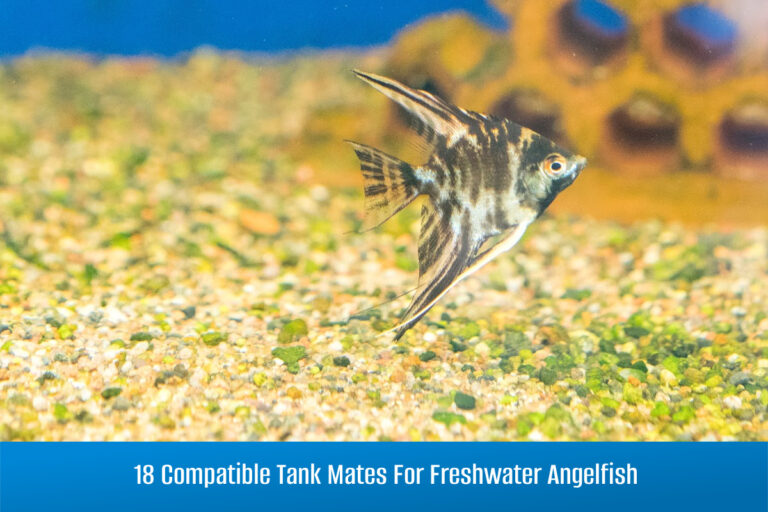
The aquarium clears every pinch of food in seconds. That can still leave the corydoras or another shy bottom-dweller without an adequate meal.
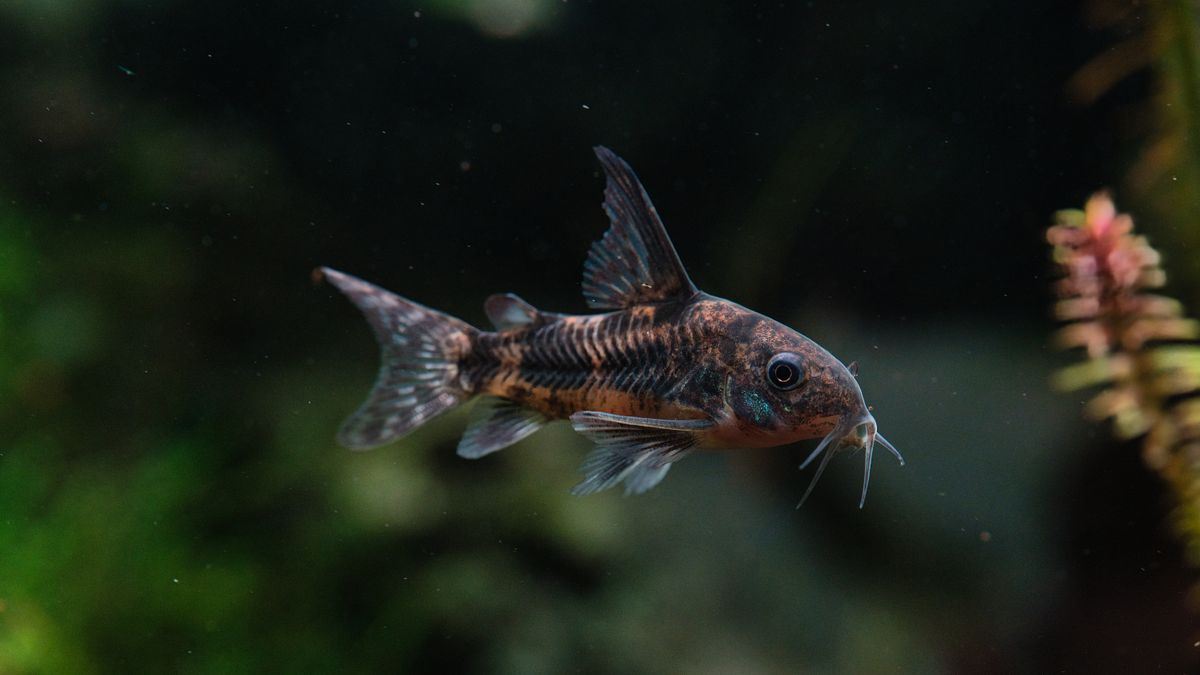
A clean-looking feeding session shows that something ate. It does not identify which animals received the food.
Follow the portion all the way down
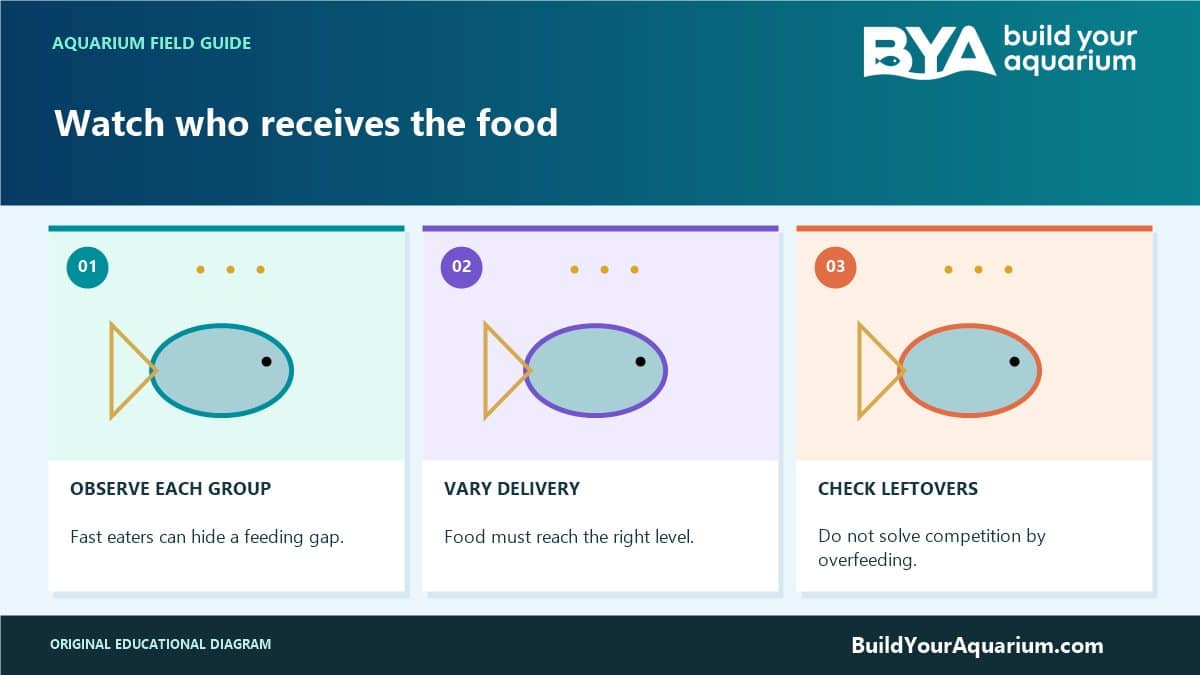
Watch several normal feeds and identify who gets access. Does a sinking wafer actually reach the bottom, or is it carried away by larger fish? Are the same animals repeatedly displaced?
The problem appears in this community-tank feeding discussion. It is a useful observation about competition, not evidence that one suggested food or feeding time suits every species.
Tetra’s feeding guidance distinguishes foods delivered at different aquarium levels. The food’s nutritional suitability matters alongside whether it floats or sinks.
Change delivery before increasing the total
Try appropriately sized portions at more than one accessible point, observing the outcome. A suitable feeding tube can deliver sinking food more directly where the target animals normally feed.
Do not scatter food into inaccessible gaps or assume that feeding in darkness is appropriate for every species. Keep the normal light cycle and check the habits of the fish involved.
Our cory care guide covers deliberate feeding rather than relying on accidental scraps.
Judge the animals and the waste
Check body condition, normal activity and whether individuals continue to miss meals. Remove uneaten material and review water quality if you change the routine.
The fish-food guide explains choosing a suitable diet. If one group can never feed safely, reassess the stocking and layout. Adding more food to an unsuitable social arrangement can increase waste without giving the displaced fish reliable access.