

An oscar can live without other fish. Companions are optional and turn an already substantial aquarium into a larger, more complicated housing project. Being too large to swallow does not make another fish safe from harassment, and an aggressive fish can injure the oscar in return.

Use the oscar care guide to plan permanent adult space first. The candidates below require individual assessment, not a compatibility score. Keep a practical separation option before introducing any of them.
1. Another oscar

Two oscars do not automatically become a bonded pair. Adults need substantially more room than one fish, and an established pair may still fight. A 75-gallon tank is not a reliable recommendation for two permanent adults. Do not buy several juveniles without accommodation for fish rejected during pairing.
2. Bala sharks

Bala sharks need a group and extensive adult swimming space. Their skittish behavior and jumping make them a poor casual addition to a large-cichlid tank. A small shop specimen may also be vulnerable to predation.
3. Bichirs

Bichirs vary greatly in adult size. Identify the species, protect surface access for breathing and assess predation in both directions. A bottom-dwelling habit does not prevent an oscar from biting or crowding one.
4. Blood parrot cichlids
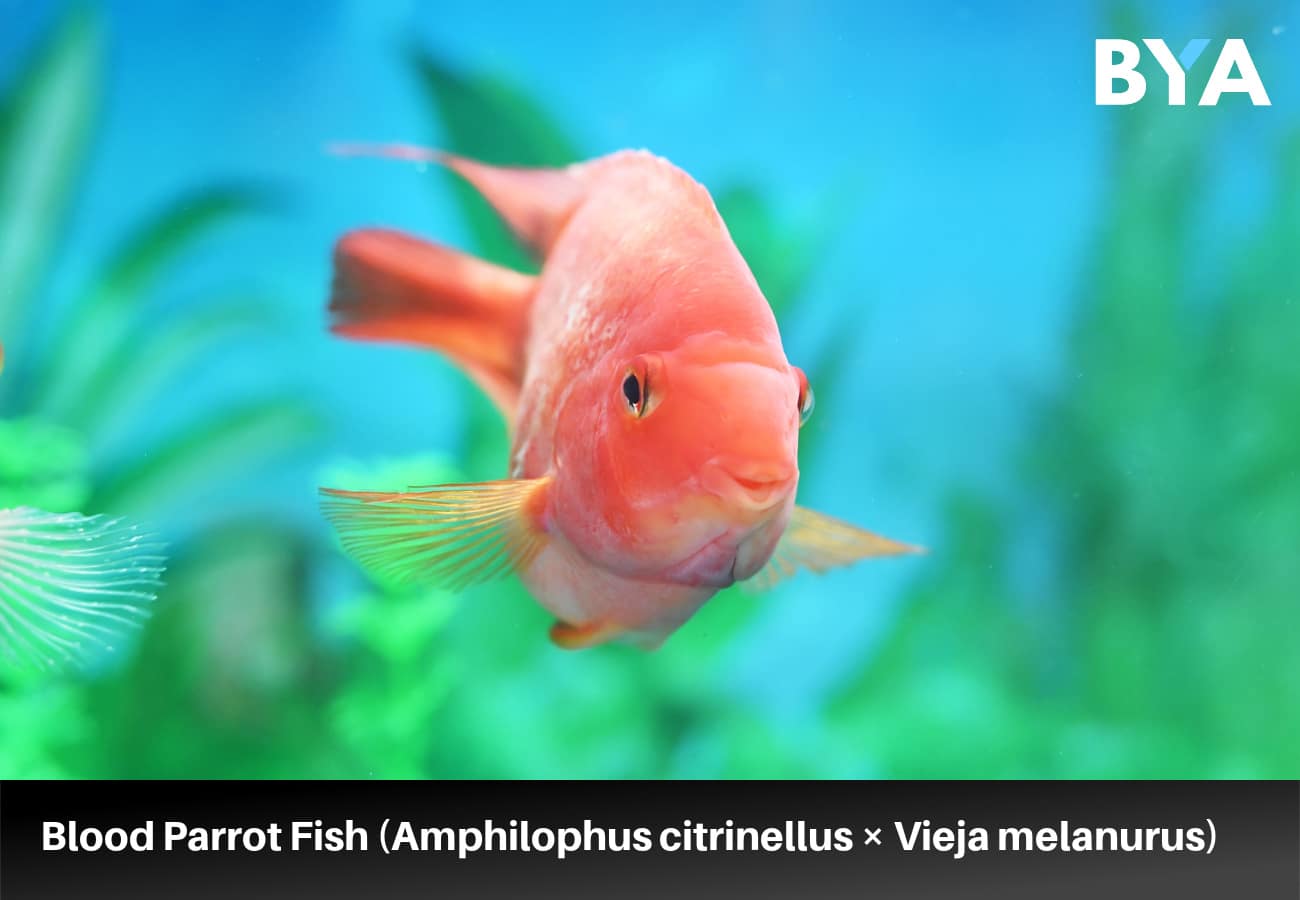
Blood parrots have variable ancestry, mouth shape and swimming ability. Do not assume a small mouth makes harassment harmless. A fish that cannot feed competitively or avoid the oscar needs different housing. Avoid choosing a companion solely for its ability to withstand bullying.
5. Electric blue acaras

An appropriately sized electric blue acara is one possibility in a spacious arrangement, but small juveniles can be prey and breeding changes territorial behavior. Both species require clean water; the acara is not tolerant of neglected oscar waste.
6. Clown loaches

Clown loaches need a social group and a very large adult aquarium. One juvenile is not a suitable cleanup fish. Their activity, feeding needs and defensive spines make casual mixing with a predator risky.
7. Convict cichlids

Convicts may be small enough to be attacked or swallowed, yet aggressive enough to injure an oscar, especially when breeding. Their willingness to fight is not a compatibility advantage. This is a poor default recommendation for a peaceful large-fish community.
8. Fire eels

Mastacembelus erythrotaenia is a large specialist fish that needs secure housing, soft substrate and reliable direct feeding. Its species reference records a maximum near one meter. A generic 80-gallon allowance is not a credible lifelong mixed-tank plan.
9. Firemouth cichlids

Firemouths can be intimidated despite their threat displays. Size differences and breeding territories need careful assessment. Do not assume the oscar will ignore another fish because both are described as semi-aggressive.
10. Giant gouramis

Giant gouramis need exceptional permanent space and can become territorial themselves. Their adult size and waste load make this a specialist combination. They are not a practical way to fill an ordinary oscar aquarium.
11. Green terrors

Adult aggression can increase rather than fade as a green terror matures. Raising the fish together does not guarantee future safety. Do not deliberately choose a slightly smaller aggressive fish and assume it cannot injure the oscar.
12. Jack Dempseys

Jack Dempsey cichlids can defend substantial territory and vary individually. Combining large cichlids requires extensive floor space, separate retreats and close observation. Similar adult length is only one part of the assessment.
13. Jaguar cichlids

Jaguars are large predators with serious territorial potential. An oscar’s size does not guarantee it can withstand attacks. This is a high-risk combination rather than a routine companion recommendation.
14. Jewel cichlids

Confirm the species sold under this broad name. Smaller jewels can face predation while their breeding aggression creates a different danger. Feeding generously and adding a cave do not guarantee that either fish remains safe.
15. Common plecos

Common plecos can become very large and produce substantial waste. The trade includes multiple species, not always Hypostomus plecostomus. They need direct species-appropriate food and shelter. Armor is not protection from every attack, and rasping at another fish’s flanks requires separation.
16. Red-tail sharks

A red-tail shark is a much smaller territorial fish, not an ideal predator companion. It can be injured or swallowed. Hardiness does not make it resistant to polluted water, and a cave cannot guarantee escape from a large oscar.
17. Severums

Heros species can be candidates for a very spacious community, but need substantial adult room and a suitable varied diet. Severum adult-size guidance should inform the complete stocking plan. A mild reputation does not eliminate breeding aggression or guarantee that an individual oscar will accept one.
18. Silver arowanas

Silver arowanas require enormous permanent swimming space and secure covers. Their growth will not necessarily track an oscar’s, and raising juveniles together does not prevent future predation or territorial conflict. This combination belongs only in a properly planned specialist system.
19. Silver dollars

Appropriately sized silver dollars are among the more plausible candidates where a very large aquarium can hold their full group. Identify the species: adult sizes differ, and many readily eat plants. Their shape does not make every juvenile too large to swallow.
Choose a short stocking list and keep watching
Aquarium Co-Op reports experience with selected large peaceful companions, while emphasizing the need to remove fish when aggression develops. That is more useful than treating a long candidate list as universally safe.
Quarantine additions, maintain good water quality and observe every fish feeding and resting. Persistent chasing, hiding, injuries or declining condition require action. If the tank or spare accommodation cannot support the adult combination, keep the oscar without companions.
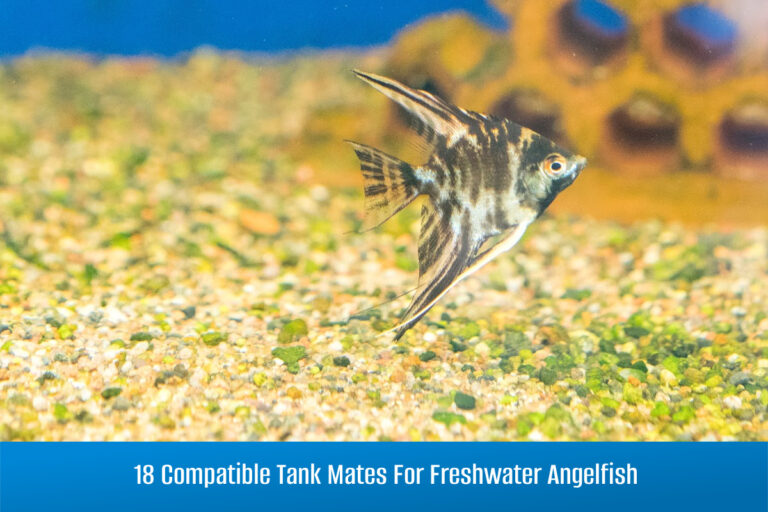
I have two 55 gallon tanks, a 20 and a 10. I have two angels, 2 3 in Oscars and a plecostomus at about 8 in Long. I would like to get discus and electric blue hap. Any advice on how to pair these fish? I have tetras in the 10 gallon tank. Thanks for any good advice. Dona
I just set up a 125 after having oscars in a 90 gallon with one g.t., 1 j.d., 2 firemouths, and 3 parrot fish. They seriouslt are water dogs and know when im around. I listened to advice from lfs and got all my fish small and same size as oscars and let em grow up together. I am so happy with these type of fush is why i wanted to get a bigger tank so i could keep them when they get bigger instead of taking back to lfs. I have had saltwater fish but these are my favorite fish ive ever kept. If you get the chance give them a try. Very fun to watch.
I keep 4 Oscar’s and 3 convicts and 1 large pleco in a 650 gal pool in my basement. I have a breeding pair of convicts but I am hesitant to put them in.what do you think?
its too risk convict chiclid baby can eat Oscar .
I have a tank of about 150 gallons, is it okay of an oscar fish? Would it be okay for a goldfish that is added (i don’t plan to keep a goldfish but from past experience with my prior oscar I must always be prepared for the unusual)? My prior oscar kept one of his feeder fish alive. She grew fast to match his size and even refused to eat goldfish flakes or pellets (it was oscar food or no food at all for her). One of them was so happy it started spraying eggs all over my tank randomly but they were healthy and happy.