

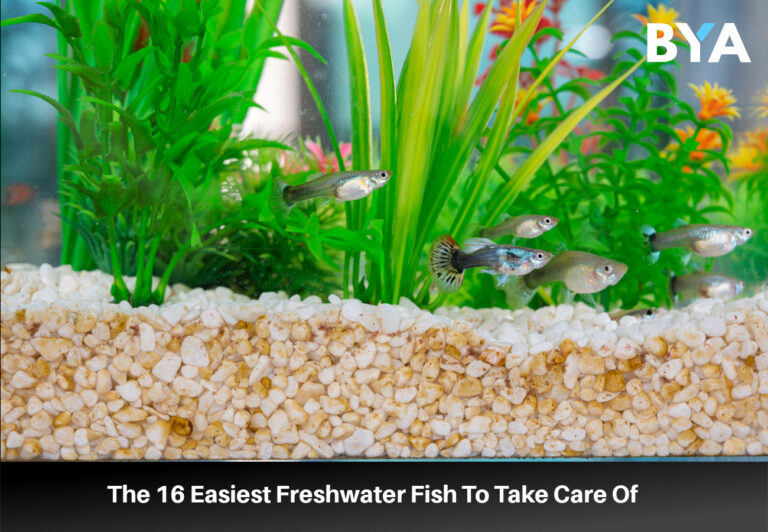
Choose guppy tank mates by water chemistry, adult size and behavior. A peaceful fish can still be unsuitable if it needs softer water, cannot compete for food or is large enough to swallow a guppy. Start with a stocked-tank plan rather than adding one fish from every compatible-looking category.

Check the aquarium first
Follow the guppy care guide, measure temperature and hardness, and allow space for every species’ adult group. Mixed-sex livebearers add a further issue: fry can fill spare capacity quickly. Quarantine new arrivals and keep a separation option available.
Livebearers with overlapping needs
Platies

Platies are often practical companions in suitable mineral-rich freshwater. Give both groups swimming room and account for births from either species. Watch whether the larger fish take all the food.
Swordtails

Swordtails need more swimming room than their small juveniles suggest. Choose a sufficiently long aquarium, manage male chasing and avoid crowding a breeding group into a guppy starter tank.
Mollies

Mollies vary considerably in adult size. Smaller freshwater strains can be candidates when conditions match; large sailfins need more room. Do not add salt to a mixed aquarium simply because a molly is present.
Peaceful fish that need closer matching
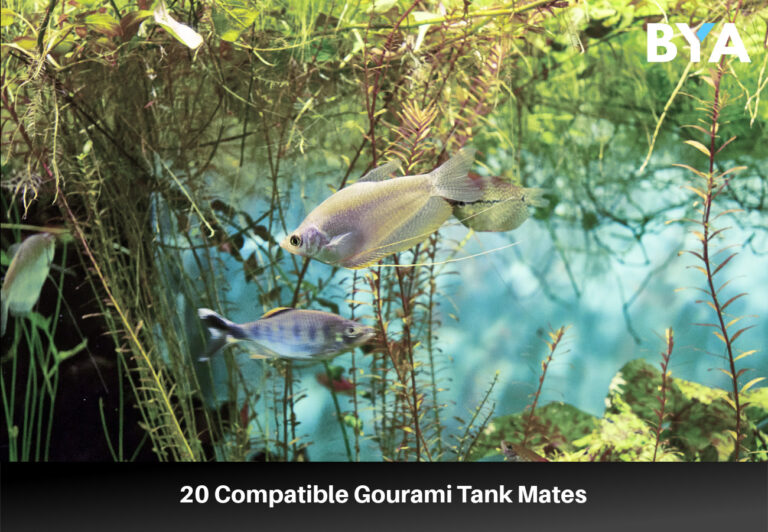
Honey gouramis

Honey gouramis need cover, access to the surface and a layout that allows retreat from territorial displays. They may lose food to busy guppies. Seriously Fish’s species profile describes their water and housing needs; compare these with your measured conditions before choosing a group.
Cory-type catfish

Choose a specific species suited to the temperature and hardness, and provide its own social group, safe substrate and sinking food. Catfish are not a solution for uneaten guppy food. Avoid sharp substrate and dirty bottom areas that can damage barbels.
Harlequin rasboras

Harlequins are group-living fish that generally suit softer water than a strongly mineralized guppy aquarium. A peaceful temperament is only one part of compatibility. Check the harlequin guide and source conditions before mixing them.
Bristlenose plecos

A correctly identified bristlenose can be a candidate in a sufficiently spacious, mature aquarium. Provide suitable shelter, dedicated food and filtration for its waste. Verify the species: a fish sold simply as “pleco” may become much larger than expected.
Cardinal tetras

Cardinals are not an automatic hard-water companion. Their species profile describes softer, often acidic habitats, with source and captive history affecting adaptability. Keep an appropriate school in conditions suitable for the actual stock, rather than forcing a compromise with guppies.
Otocinclus

These small catfish need an established aquarium, appropriate companions and reliable food. A few visible algae patches do not prove the tank can feed a group long-term. Check individual body condition and feeding rather than adding them as disposable cleaners.
Kuhli loaches

Kuhli-type loaches need their own group, safe bottom cover and food that reaches them. Many suit softer water; check the identified species against the guppy aquarium. Guard intakes and trapping gaps, and do not assume a quiet bottom fish can live on leftovers.
Invertebrates and frogs
Nerite snails

Nerites can be candidates in mature freshwater with appropriate minerals and food. They may leave eggs on surfaces even when those eggs do not produce a growing freshwater population. Check species needs, lid security and whether sufficient suitable grazing is available.
Cherry shrimp

Adult cherry shrimp may coexist with guppies, but small shrimp can be eaten. Dense plants provide refuge without guaranteeing safety. A dedicated shrimp tank is more dependable if your goal is to raise a colony.
Crystal red shrimp

Crystal red shrimp often need softer, more carefully controlled water than a typical hard-water guppy setup. They also face predation risk. Do not recommend them just because another shrimp variety seems to coexist successfully.
African dwarf frogs

Frogs can be outcompeted by fast fish and need unobstructed surface access and observed feeding. They are not simple bottom-cleaning additions. A dedicated frog setup is often easier to manage than ensuring every meal reaches a frog in a busy guppy community.
Combinations to avoid or manage separately
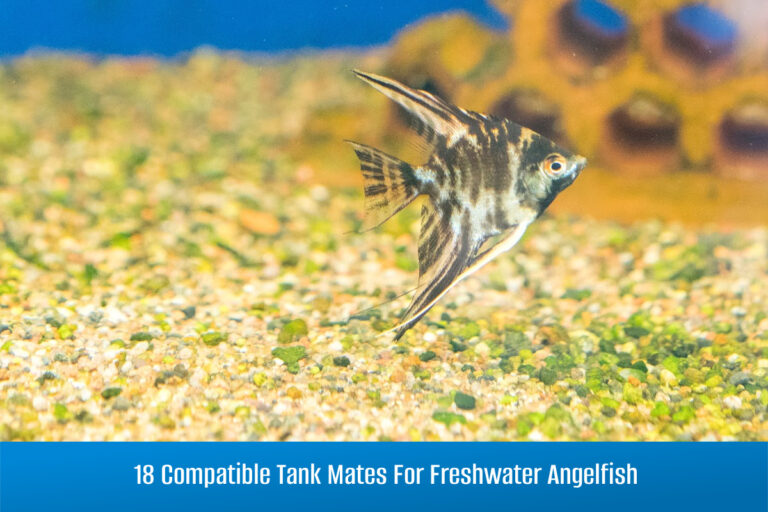
Avoid predators, persistent fin nippers and territorial fish that prevent guppies using the aquarium. Adult angelfish may eat guppies, and bettas can chase or attack them. Do not rely on a successful juvenile combination remaining safe.
Guppies can hybridize with Endler’s livebearers. If keeping documented Endler lines or particular guppy strains, maintain separate breeding groups and disclose hybrids honestly. Hybridization is a lineage issue, not proof that every hybrid offspring will be unhealthy.
For fry, separate established rearing space is safer than expecting community cover to protect every newborn. See guppy breeding and population planning before deliberately raising additional broods.
I don’t know if anyone else has tried this, but I had a few turquoise rainbow fish in with my guppies and tetras (neon and glow light). The rainbows didn’t even pay attention to the smaller fish.
thank you for this great list of fish for guppies. I have a 10 gallon Aquarian. I currently have 6 male guppies and am looking for something to go along with them. I now know what to avoid. Which is which is what I was looking to find. I am fairly new to fish tanks, last time I had one was about 30+ yrs ago. Back then it was gold fish and guppies. I learned real quick to avoid both male and females in one tank.
Good information all about Guppy lovers😍.. very usefull infos.. Thanq… 👏
Wow!!! Thank whom ever put this together!!! Lots of great information!!! Ivy been doing guppies for about three years now… and every day is a new learning experience.
When I have a question this is THE place for answers!!!