Pictus catfish need companions too large to swallow and active enough to cope with their feeding behavior. A fish that survives beside a juvenile may become prey later. Plan the adult aquarium around the catfish group before adding other species.

The pictus catfish care guide covers their swimming space and group needs. A base around 120 × 45 cm is only a starting reference, not room for every fish discussed below. More species require additional space, filtration and feeding opportunities.
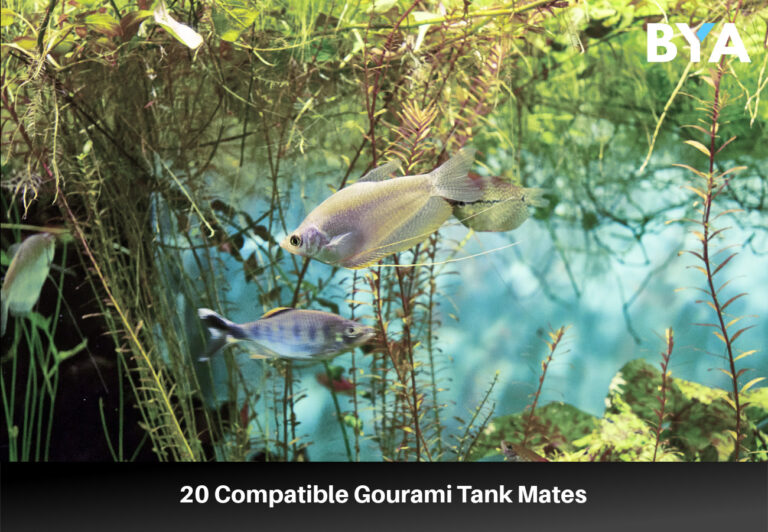
Opaline and other three-spot gouramis: possible with observation

Adult Trichopodus trichopterus are generally too large to swallow, but males can become territorial and individuals vary. Provide cover and calmer upper areas without removing the catfish’s swimming space. Seriously Fish warns that some mature individuals become aggressive. Adding a second gourami is not a dependable way to redirect that aggression safely.
Glass catfish: a poor default choice

Kryptopterus vitreolus stays much smaller than the five inches often claimed. It is shy and can lose out to fast feeders. Choose a quieter aquarium for a glass catfish school; do not feed either species live guppies to make the combination work.
Silver dollars: only with room for their own group

Appropriately identified silver dollars can be candidates in a much larger aquarium. They need a group, long open swimming space and a diet with suitable plant foods. They may consume aquarium plants. Account for their adult size rather than treating one juvenile as a convenient dither fish.
Rubber-lip plecos: identify the actual fish
Chaetostoma species need their own temperature, oxygenation and feeding checks. A trade name does not establish those requirements. Competition at the bottom and access to grazing surfaces may be limiting even when the fish do not fight. A bristlenose pleco is another species to assess individually, not an automatic replacement.
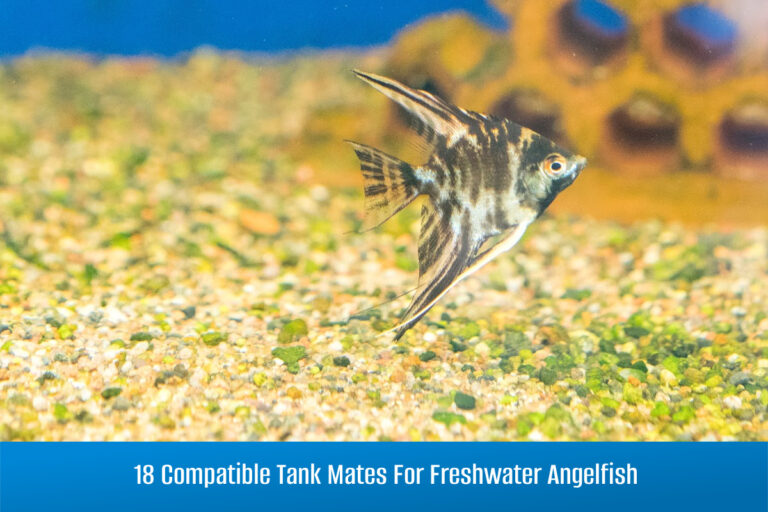
Angelfish and discus: shared origin is insufficient

Angelfish may work in some large layouts, but breeding territories and delicate fins need observation. Discus are a poor routine recommendation because their warm-water feeding regime can conflict with a cooler, highly active pictus setup. Match everyday requirements instead of assuming Amazonian fish all belong together.
Rainbow sharks: territorial risk at the bottom

A rainbow shark can defend caves and chase other bottom dwellers. It is not reliably peaceful simply because a red-tail shark may be worse in another aquarium. Avoid this combination when there is no space for separated territories or no ready way to remove an aggressor.
Tiger barbs: assess adult size and nipping

A proper group of sufficiently large tiger barbs may be considered in a spacious setup. Tiny juveniles can be vulnerable, and nipping remains possible around the catfish’s long barbels. Group size reduces some problems but does not guarantee compatibility.
Larger rainbowfish: species matters

Robust, adult-sized rainbowfish can be more practical candidates than miniature species. Check the identified species’ hardness and temperature requirements, keep its own social group and provide long swimming space. Fast feeding should not leave quieter fish hungry.
Choices to avoid as routine recommendations
Bucktooth tetras are specialist scale-eaters with aggression risks; a pictus having no ordinary scales does not establish safety. Blue gularis killifish also need an individual assessment of predation, aggression and temperature. Neither belongs on a list presented as universally compatible.
Avoid neon-sized fish, guppies, dwarf shrimp and other mouth-sized companions. Quarantine additions, feed the catfish directly and monitor the aquarium after dark. Separate fish promptly if chasing, damaged barbels, injuries or missing tank mates reveal that a combination is failing.