Guppies can live in a suitable outdoor ornamental pond during warm weather, but they are not a safe year-round choice for every climate. Measure the water’s daily temperature range, prepare an indoor home and prevent fish escaping before moving them outside.
Use water temperature, not the weather forecast alone
A small container can become much hotter than the air in direct sun and cool quickly overnight. Check the water at the coldest and warmest parts of the day for several days before stocking. Place the pond where it has some shade without becoming permanently dark.
Use the requirements of your stock as the reference. Aquarium Co-Op recommends 76–78°F for many modern fancy guppies and notes they can be less resilient than wild stock. A fish surviving a brief cold spell does not establish that the conditions are suitable long-term.
In temperate climates, treat outdoor keeping as seasonal. Have a mature indoor aquarium available before autumn and move fish before the pond becomes too cold. A garden heater is not a substitute for a realistic winter plan.
Set up a contained, mature pond
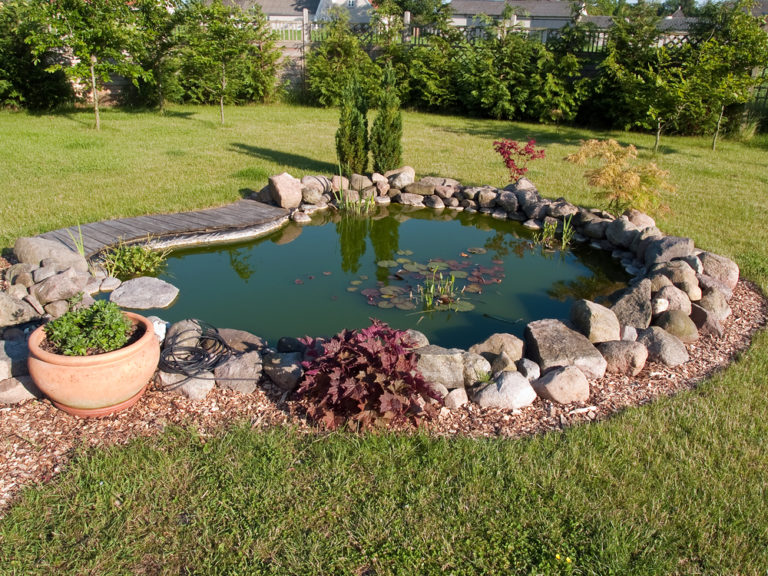
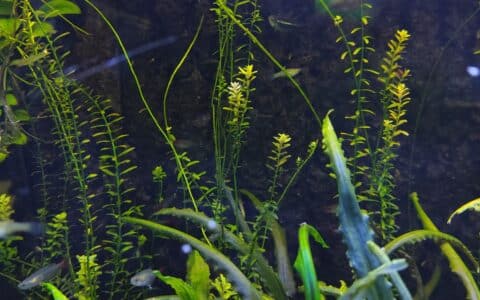
Use an aquarium-safe container with enough water volume to buffer temperature changes, established filtration and oxygenation. A tiny decorative bowl is difficult to keep stable. Protect pump intakes and provide planted refuge while leaving open surface and swimming areas.
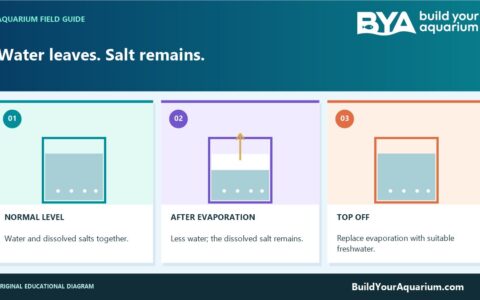
Condition new tap water and test ammonia, nitrite, nitrate, pH and hardness just as you would indoors. Rainfall and evaporation can alter chemistry; check after substantial weather changes. See the container pond guide for planning considerations.
Keep the pond isolated from drains, streams and floodwater. Fit a fish-proof overflow and secure plants and equipment. Never release guppies or unwanted fry into natural water. Check local rules before keeping or moving non-native fish.
Feeding and daily checks
Offer a complete suitable food in measured portions and check that the fish are eating. Natural insects and algae are variable supplements, not a guaranteed balanced supply. Remove leftovers and monitor body condition rather than assuming an outdoor pond feeds itself.
Look for overheating, low oxygen, predators, injuries and fish becoming trapped in equipment. Outdoor insects can prey on fry, and birds or other animals may take fish. Use appropriate protection without creating loose netting traps.
Companions and population growth
A guppy-only setup is easier to manage than a mixed pond. Goldfish may swallow guppies as they grow, while bettas may chase them; neither is a reliable default companion. Other livebearers also need compatible conditions, adult space and population planning.
Mixed-sex guppies can produce repeated broods, and planted ponds may conceal a growing population. Count and inspect fish regularly. Plan indoor capacity for all survivors, not only the original adults; see guppy breeding and population control.
Move fish indoors carefully
Prepare a cycled receiving aquarium and compare temperature and chemistry before transfer. Observe returning fish separately before mixing them with an established indoor community. Use a sensible acclimation procedure rather than moving them abruptly from a cool pond to warm water.
Do not leave fish outdoors to control mosquitoes when you cannot meet their needs. Address mosquito breeding in unused containers through appropriate local prevention measures instead of releasing fish into unsuitable water.