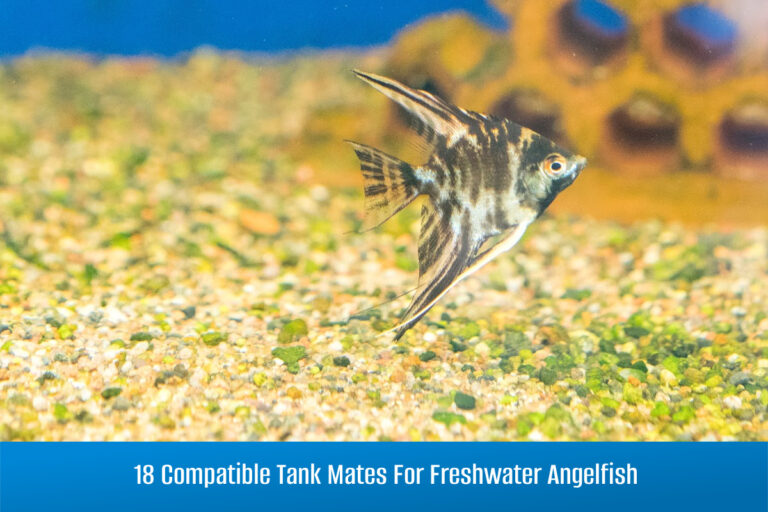
Common freshwater angelfish (Pterophyllum scalare) can reach around 15 cm (6 inches) in body length and 20 cm (8 inches) or more in total height. Their tall fins make tank dimensions just as important as volume. A small juvenile will not remain suitable for its shop-sized housing.
Length and height are different measurements
A species reference may report standard length, which excludes the tail fin, while an aquarium description may give total length or fin-to-fin height. Those numbers cannot be compared directly. Long-fin strains also need more clear depth than fish with shorter fins.
Seriously Fish describes common angelfish reaching 15 cm in body length and recommends a tall aquarium. Measure usable swimming depth after substrate and decor are added, not just the glass tank’s outside height.
Other angelfish species need separate planning
Altum angelfish, Pterophyllum altum: these particularly tall fish require much more than a generic volume recommendation. Confirm adult fin clearance and group space with an experienced supplier. Their specialist water and feeding requirements also differ from those of many domestic scalare strains.
Leopold’s angelfish, Pterophyllum leopoldi: smaller does not mean a nano fish. The species reference records about 10 cm standard length and recommends a longer aquarium for a social group. Territorial behavior and refuge space still matter.
Ask for the scientific identity rather than assuming every silver striped angelfish is the same species. A trade name or color variety does not establish ancestry, adult size or water requirements.
What size aquarium should you plan?
For common adult angelfish, Aqueon’s care guide recommends 55 gallons or more. Choose additional room for a group, a breeding pair’s territory or other substantial stocking. Height alone cannot compensate for a narrow footprint.
Arrange open swimming routes and separate retreats. Do not calculate one adult per ten gallons or assume a group of peaceful juveniles will remain compatible after pairing. A bullied fish needs somewhere to go, including a separate aquarium if the arrangement fails.
Support normal growth
Provide appropriate complete food, good oxygenation, an established biological filter and regular waste removal. Keep ammonia and nitrite undetectable and use water tests to guide maintenance. Overfeeding to force rapid growth can worsen water quality without improving health.
A strong filter does not make undersized housing adequate, and chemical media do not replace a plan for suitable source water. Follow the full angelfish care guide for setup and feeding.
Choose companions for the adult fish. Small tetras, fry and shrimp can be eaten, while fin nippers can repeatedly shorten the fins you are trying to accommodate. Reassess stocking as the angels mature rather than waiting for an injury or disappearance.