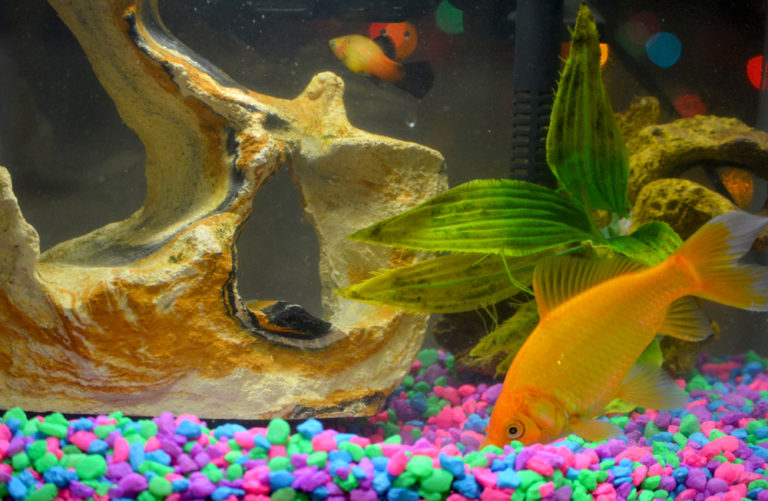
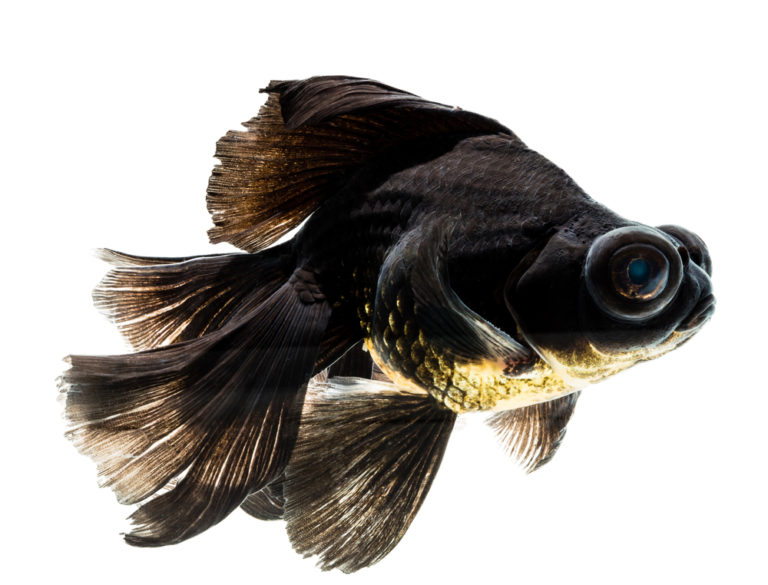
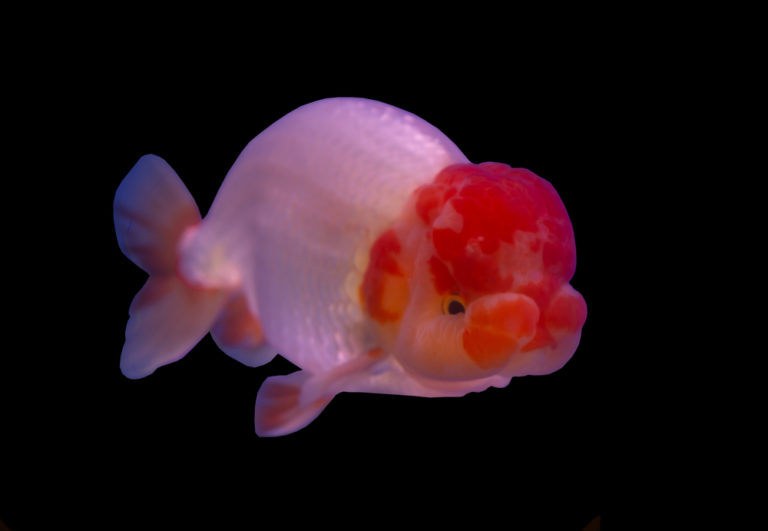
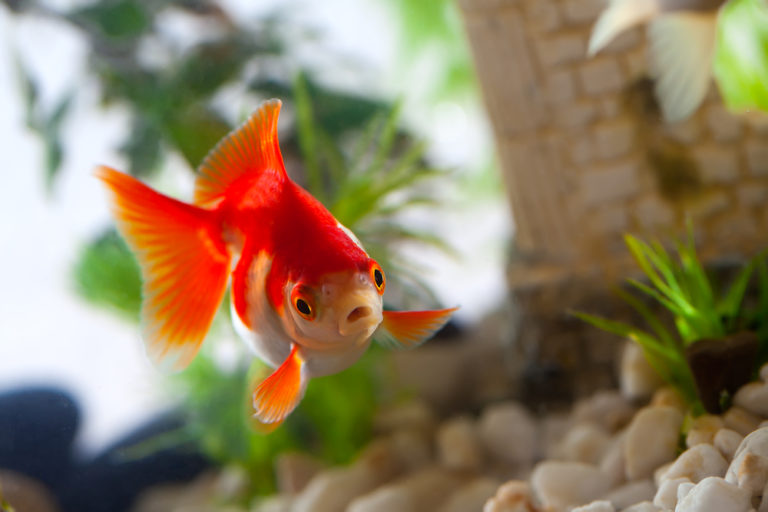
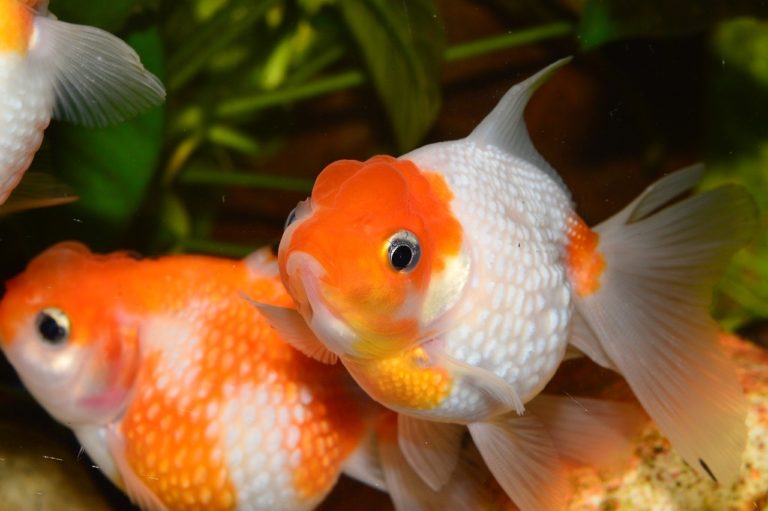
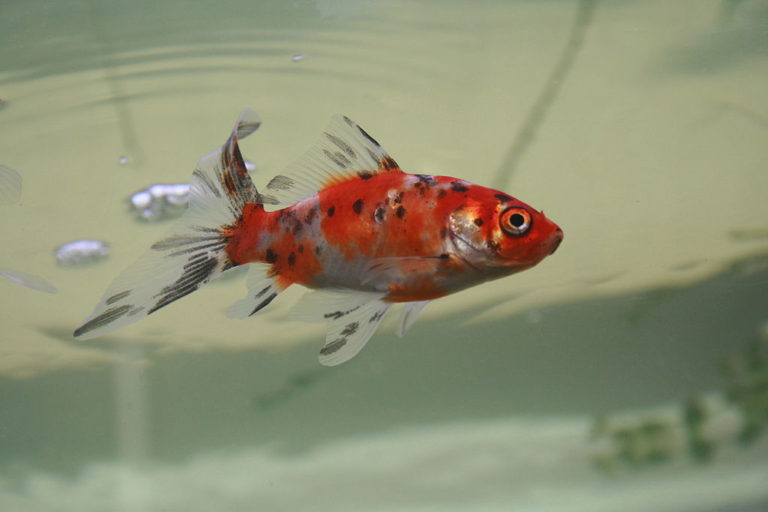
A ryukin is a deep-bodied fancy goldfish with a pronounced shoulder hump, an upright dorsal fin and a divided tail. Its high-backed shape distinguishes it from a typical fantail. Choose an individual that maintains balance, swims comfortably and reaches food without difficulty.
Give the adult fish room
Do not judge housing by the small fish at the shop. A ryukin needs room to turn its broad body and swim without brushing ornaments. OATA’s adult fancy goldfish baseline is 100 liters for the first fish and an additional 50 liters per adult. Increase space for large fish or groups; matching a volume figure alone does not ensure a suitable footprint.
Use a cycled goldfish filter and surface agitation, with the return spread out if it makes swimming difficult. Avoid sharp ornaments, narrow openings and unstable stacks that could injure or trap the fish.
Maintain stable, clean water
Ammonia and nitrite should both be zero. Test regularly, follow nitrate trends and siphon solid waste during partial water changes. Add dechlorinated replacement water at a similar temperature. A larger aquarium buffers changes but still needs maintenance.
For fancy goldfish generally, OATA identifies 15–23°C (59–73°F) as an optimal temperature range. Stable indoor housing is a safer starting point than assuming a ryukin can overwinter under ice. Ask about the fish’s existing conditions before moving it; gradual acclimation does not make every outdoor climate suitable.
Do not add aquarium salt as a routine substitute for good care. Water chemistry should remain stable and appropriate to goldfish, rather than being repeatedly adjusted with pH products.
Substrate and plants
Goldfish investigate the bottom with their mouths. Avoid sharp substrate and gravel pieces that can lodge there. A bare bottom is easy to inspect; sand or suitable gravel requires regular waste removal. Hiding debris between stones does not make it harmless.
Ryukins may eat soft plants or disturb their roots. Attached plants such as Java fern are an option, with the rhizome kept above the substrate. Do not assume fish waste supplies every nutrient plants need or that every plant will survive grazing.
Feeding and tank mates
Make a complete goldfish food the staple and offer small portions you can observe being eaten. Suitable vegetables and frozen foods can add variety. Follow the food’s instructions; soaking every pellet is not a universal requirement, and unexplained swelling should not be diagnosed as dry food expanding in the gut.
Compatible fancy goldfish are usually the simplest companions. Compare feeding speed and behavior: a robust ryukin may outcompete a delicate telescope-eye fish even though both are fancies. Feed in more than one location if needed and monitor the slower fish’s condition.
Avoid fin nippers, territorial fish, tiny fish that could be eaten, and species whose adult size or environmental needs do not fit the aquarium. Koi and large pond fish are not convenient additions to a home ryukin tank.
Health and breeding
Persistent loss of balance, gasping, appetite loss, clamped fins or new lesions needs investigation. Test the water immediately and seek a fish veterinarian for severe or continuing problems. A deep body is normal; inability to remain upright is not.
Ryukins scatter adhesive eggs on plants or spawning mops, and adults may eat the eggs. Breeding requires separate established rearing space and appropriate fry foods. Do not promise a spawn simply because the fish are well fed, or attempt it without room for the young.