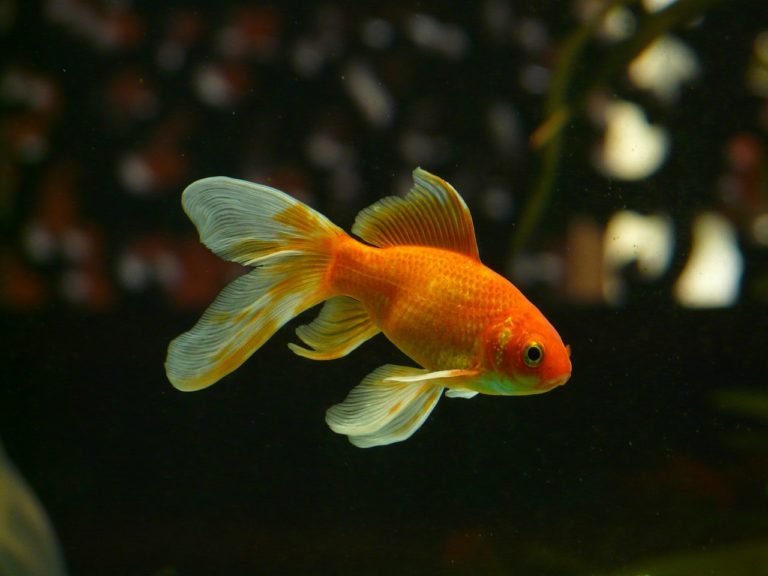
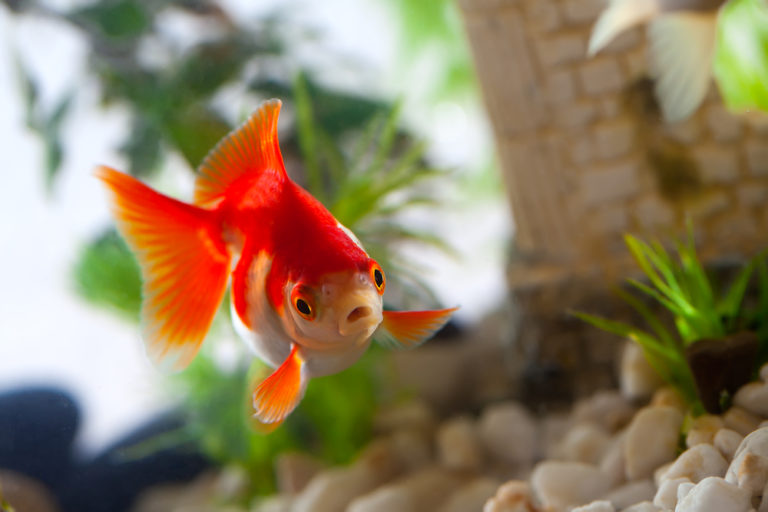
Comet goldfish are streamlined, single-tailed goldfish with long, deeply forked tails. They are active swimmers that can become large, long-lived pets. Their low purchase price does not make a bowl or small starter tank appropriate housing.

Plan for adult size and swimming space
Comets need a long aquarium with unobstructed swimming room or a properly designed ornamental pond. OATA reports aquarium goldfish reaching about 25 cm, with larger sizes possible. Buy housing for that adult fish, not its current shop size.
OATA’s general starting point is 100 liters for one adult and another 50 liters per additional fish. A large, active comet or a group may need substantially more swimming space than that volume suggests. A 55-gallon aquarium is not automatically ideal for several full-grown comets. If planning a pond, have it ready rather than relying on an uncertain future upgrade.
Expect years of care and potentially more than a decade. Exceptional lifespan records do not mean every comet will live 30 or 40 years.
Filtration and clean water
Use a mature goldfish filter, good aeration and regular waste removal. Ammonia and nitrite should be zero. Monitor nitrate and carry out partial water changes using conditioned replacement water at a similar temperature.
Biological filtration converts ammonia through nitrite into nitrate; it does not make all waste disappear. Remove uneaten food, siphon accumulated debris and avoid adding fish faster than the filter can support them. Keep intakes clear and check flow rather than judging the system only by its advertised tank-size rating.

Indoor temperature and outdoor winter care
Comets usually do not need a heater in a stable indoor room. Avoid direct sun, overheating and abrupt temperature changes. For pond housing, plan filtration, adult stocking and seasonal conditions before moving fish outside.
Winter survival depends on local climate, pond depth, oxygen supply and stocking. No single depth guarantees safety everywhere. The pond must retain a suitable unfrozen water volume and allow gas exchange. Use appropriate pond equipment rather than striking the ice to make a hole; RHS advises against smashing pond ice. Change feeding with water temperature and the food manufacturer’s seasonal guidance rather than feeding an inactive fish on a fixed summer schedule.
Food, plants and companions
Feed a complete goldfish food as the staple in measured portions that are eaten promptly. Suitable vegetables and small frozen-food portions can add variety. Do not use bread as the regular diet or introduce wild-caught insects and worms indiscriminately.
Comets dig and may eat or uproot plants. Keep a clear swimming area, secure decorations and avoid sharp substrate or gravel that can lodge in the mouth. Remove debris instead of choosing gravel merely because it conceals it.
Other similarly sized single-tailed goldfish, such as shubunkins, are usually the most straightforward companions with sufficient space. Avoid mixing fast comets with slower fancy goldfish that may lose out at feeding. Tiny fish and shrimp may be eaten. Koi require a pond designed for their much greater adult size; a comet aquarium is not a koi nursery.

Colors, breeding and warning signs
Sarasa comets have red-and-white coloration; they need the same basic care as other comets. A color name does not determine health or change adult housing requirements.
Comets scatter adhesive eggs on plants or spawning mops and may eat eggs and fry. Raising young requires separate established space and suitable fry foods. Seasonal spawning can increase pond numbers quickly, so arrange responsible housing before encouraging breeding.
Gasping, clamped fins, appetite loss, sores or abnormal swimming need investigation. Test water first and seek a fish veterinarian for serious or continuing signs. Being a hardy goldfish does not make ammonia exposure safe.