The tailspot blenny, Ecsenius stigmatura, is a small reef-associated grazer that needs mature rock surfaces, accessible food and peaceful companions. Its small size makes compact aquariums possible, but does not make its waste production negligible or its nutrition automatic.
Tank size and layout
Expect an adult around 2–2.5 inches (5–6 cm), allowing some variation among accounts. Provide secure rockwork with several small crevices and perches, plus open routes between feeding areas.
LiveAquaria lists a 10-gallon minimum, while Bob Goemans’ husbandry account uses a more conservative 30 gallons. These different recommendations underline the importance of stocking, grazing area and feeding. A 20–30-gallon aquarium provides more flexibility for a modest community than a heavily stocked ten-gallon nano.
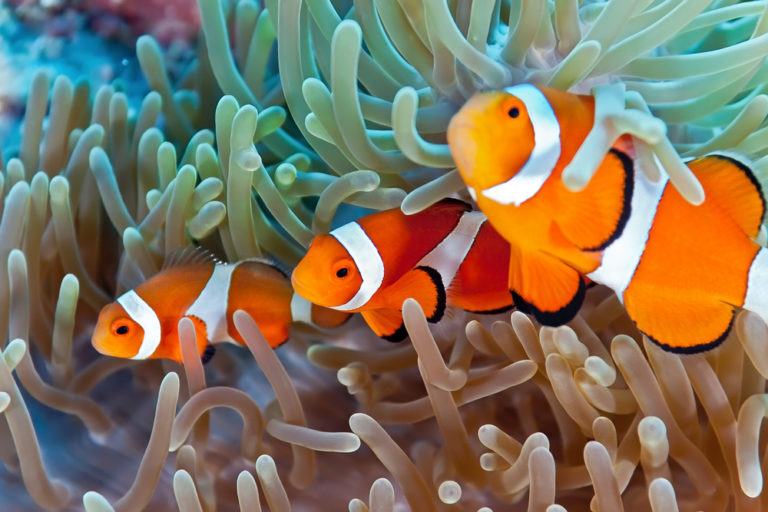
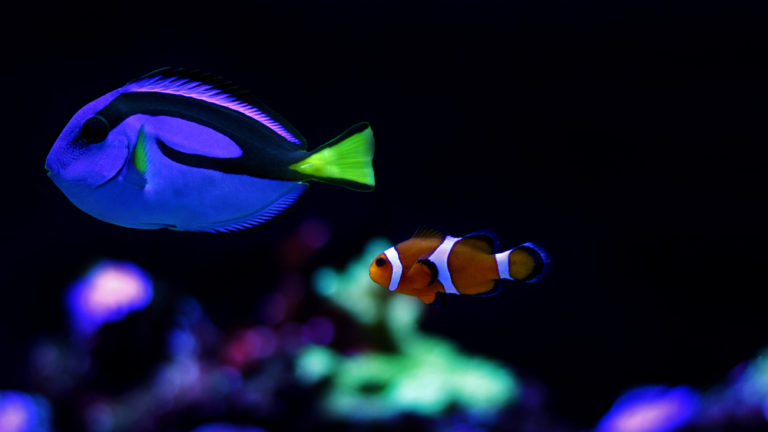
Do not automatically add a clownfish and fire shrimp to a minimum-size setup. Each animal needs adult space and food. Keep one tailspot unless deliberately planning around a known compatible pair; a larger tank does not guarantee two strangers will get along.
Fit a secure cover and protect equipment openings. Provide usable water movement and oxygenation without directing a strong jet into the fish’s shelter. “No current” is not a suitable general reef recommendation.
Introduce it after cycling and maturation
Complete fishless cycling before adding the blenny. Keep ammonia and nitrite undetectable. It should not be used to begin a cycle simply because it is described as hardy.
A practical reef-community target is 24–26°C (75–79°F), pH 8.1–8.4 and stable salinity near 35 ppt. Match new water carefully and replace evaporation with fresh water. Aqua Imports’ maintenance parameters likewise specify zero ammonia and nitrite.
Manage nitrate according to the system’s inhabitants and maintenance plan. There is no single 30 ppm threshold at which every fish suddenly becomes stressed. Test regularly and correct waste accumulation without abrupt changes.
Feed beyond the visible algae
Before purchase, ask what the individual accepts and observe it feeding if possible. Look for a well-filled body and normal browsing behavior. Natural films on established surfaces are useful, but do not assume they will supply everything indefinitely.
Offer appropriate foods containing marine algae or spirulina, including suitably sized prepared herbivore foods. Test a small portion of unseasoned marine seaweed if the fish accepts it. Place food close to the usual feeding area and make sure other animals do not take every portion.
Use small daily feeding opportunities and adjust to observed consumption and condition. Appropriate small aquatic foods may add variety, but a meat-only diet is a poor replacement for the species’ grazing-oriented nutrition. LiveAquaria’s profile specifically recommends vegetable matter and algae-containing prepared foods.
Remove ignored leftovers. A thin abdomen, shrinking musculature or persistent refusal needs attention rather than a larger amount of the same uneaten food. A tank full of macroalgae is not proof that the available growth is edible or nutritionally adequate.
Our cleanup crew guide explains why grazers need a feeding plan after the original nuisance growth is reduced.
Tank mates and reef compatibility
Choose calm companions that do not drive the blenny from its cover or feeding sites. Predatory fish large enough to swallow it are unsuitable. Territorial bottom-associated fish and other blennies can create conflict even when their diets differ.
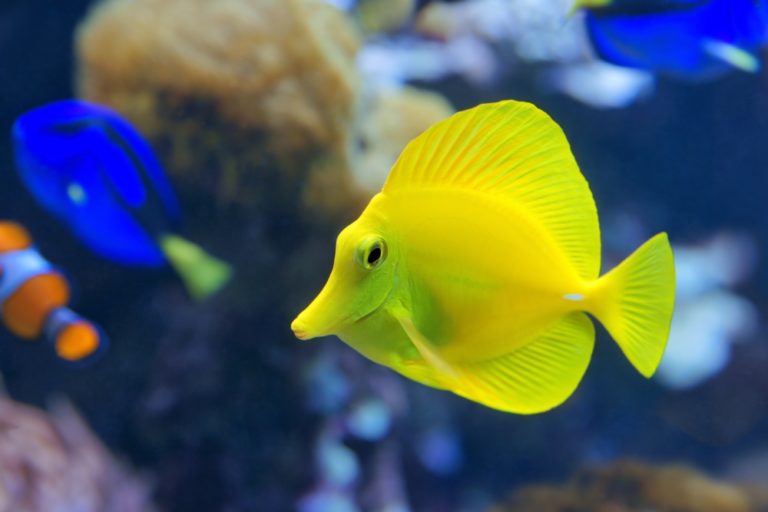
A lawnmower blenny is not a natural partner simply because both eat surface growth. It is substantially larger and may compete for territory. Likewise, tangs and dwarf angelfish require their own adult housing and behavior assessment.
A peaceful firefish may be considered in an appropriately sized community, but secure shelter and verified food access remain necessary for each. Do not treat all similarly shaped fish as identical competitors or guaranteed companions.
Tailspots are commonly kept in reefs, yet watch for repeated picking at coral tissue or clam mantles. If damage occurs, protect the affected animal and separate the fish if necessary. “Reef-safe” is not a promise that every individual will ignore every invertebrate.
Breeding does not mean self-feeding fry
Getting a compatible pair is a separate challenge from keeping one adult. Selecting the largest and smallest fish in a dealer’s group does not reliably identify their sexes, and deliberately overfeeding to expose genital features is not a sound pairing method.
Spawning or guarded eggs do not establish that the young will survive in the display. Larval blennies require a suitable rearing environment and appropriately sized live foods; adult algae films are not a complete larval feeding protocol.
Use a documented species-specific approach before attempting breeding. For routine care, prioritize one well-fed fish with stable water, secure shelter and no persistent harassment.