

Most colorful freshwater angelfish sold for aquariums are domestic Pterophyllum scalare varieties. Marble, koi, gold and veiltail describe appearance or finnage, not separate species. Altum angelfish are a different species and need separate care planning.
Choose healthy stock and suitable adult housing before choosing a pattern. Color does not reliably predict disease resistance, temperament or tolerance of temperature swings.
Marble

Marbles have irregular dark patterning over a lighter background. The balance of dark and light varies among fish and strains. Do not assume a marble is hardier than a silver or gold fish simply because of its color.
Veiltail

Veiltail describes elongated fins and can occur alongside several color patterns. Allow extra clear height and avoid decor or tank mates that damage trailing fins. A long-finned juvenile needs adult housing planned just as carefully as a standard-fin fish.
Zebra

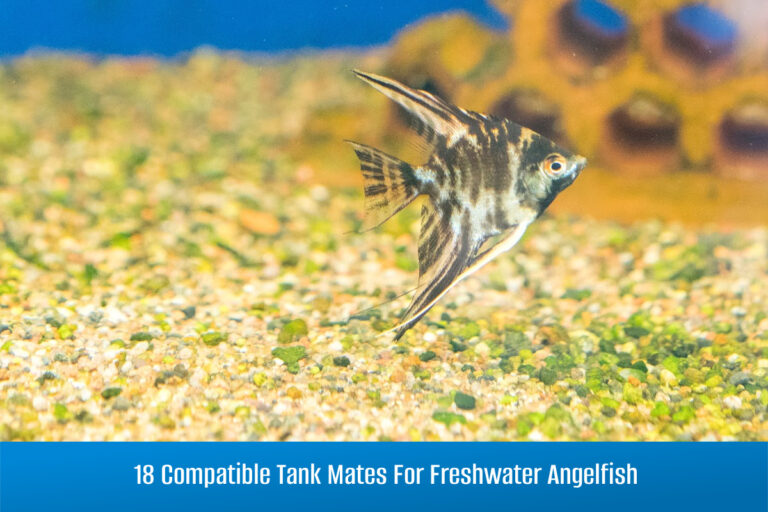
Zebra varieties show additional vertical body bars compared with the familiar silver pattern. Bar intensity can vary with condition and surroundings, so identify the pattern across the fish rather than expecting every bar to remain equally dark all day.
Ghost
Ghost angelfish have reduced body striping associated with the stripeless trait. Their appearance can be combined with other patterns. A silver fish with faint bars is not automatically a genetically confirmed ghost; ask the breeder about the line when ancestry matters.
Albino
Albino varieties have reduced dark pigmentation and typically reddish eyes. Pale or white coloration alone is not proof of albinism. Evaluate appetite, body condition and vision-related feeding difficulties in the actual fish rather than assigning every albino a fixed shortened lifespan.
Black lace
Black lace fish show increased dark pigmentation while retaining visible patterning, particularly in the fins. They are not simply the same thing as an opaque all-black fish. Dark coloration can occur in several genetic combinations.
Leopard
Leopard describes a spotted or broken pattern associated with combinations of traits. Pattern expression can change as a fish matures. Do not increase lighting aggressively to “restore spots” without checking fish health, strain information and the needs of the planted aquarium.
Gold
Gold varieties lack much of the dark patterning of a standard silver angel and may develop stronger yellow or gold coloration with age. A young pale fish is not a reliable preview of its eventual adult color.
Blushing
Blushing is associated with reduced opacity around the gill covers, making the underlying red tissue conspicuous, especially in young fish. It is not merely another name for orange-colored gills or a red patch on a gold fish. This trait can combine with other patterns.
Koi
Koi varieties combine contrasting pale, dark and often orange areas. The extent of orange differs substantially among strains and individuals. Ask for photographs of the actual fish or representative adults instead of expecting a juvenile to match an enhanced sales photograph.
Smokey
Smokey varieties have darker shading concentrated toward the rear of the body, with combinations such as smokey leopard also sold. Trade labels can overlap, so breeder records are more useful than a name alone for predicting offspring.
Altum is a species, not a color strain
Pterophyllum altum needs particularly tall housing and specialist attention to water, feeding and acclimation. Do not apply a domestic scalare care recipe just because both fish have vertical stripes. Compare species and adult dimensions in the angelfish size guide.
Appearance does not reveal the whole genotype
Angels Plus explains angelfish inheritance using documented crosses, while the Angelfish Society phenotype library distinguishes combinations that shop labels may blur. A fish’s visible pattern does not necessarily reveal all the traits it can pass to offspring.
For a community aquarium, prioritize normal swimming, intact fins, healthy body condition and a reliable appetite. Plan for adult territory, suitable companions and separation if a pair becomes aggressive. The angelfish care guide covers the shared husbandry of domestic varieties.
What type of filters should we use in a angel fish tank ?