


Pleco tank mates depend on which pleco you own. A small bristlenose, a warm-water zebra pleco and a large common pleco have different diets, temperatures and space requirements. Identify the fish before choosing its community.
This guide focuses on the large fish commonly sold as common plecos. Read the common pleco care guide for identification and permanent adult housing. If that enclosure is not available, adding companions is not the next step.
What makes a combination workable?
Match temperature, hardness, adult size and feeding needs. Provide a secure adult-sized shelter for the pleco, separate feeding areas and enough room for companions to behave naturally. Different swimming levels help distribute space, but do not prevent aggression or predation.
Monitor fish after dark as well as during daytime feeding. If a pleco rasps another fish’s body, separate them and investigate the conditions. A companion being able to “fight back” is not an acceptable compatibility strategy.
Midwater schooling fish
Tetras and other characins: appropriately sized peaceful species can work when their water needs match. Choose a species and a complete group; “tetra” alone says little about adult size or behavior.
Silver dollars: possible in a substantially larger aquarium with room for their own group. Identify the species, plan adult swimming space and expect plant damage. Their food and waste load are additional to the pleco’s.
Danios: consider the actual temperature range. Many familiar danios prefer cooler conditions than some tropical plecos. The zebra danio companion guide explains why a generic tropical-fish label is insufficient.
Tiger barbs: an adequately sized group may be considered, but watch for nipping and food competition. Long-finned plecos and timid fish deserve particular caution.
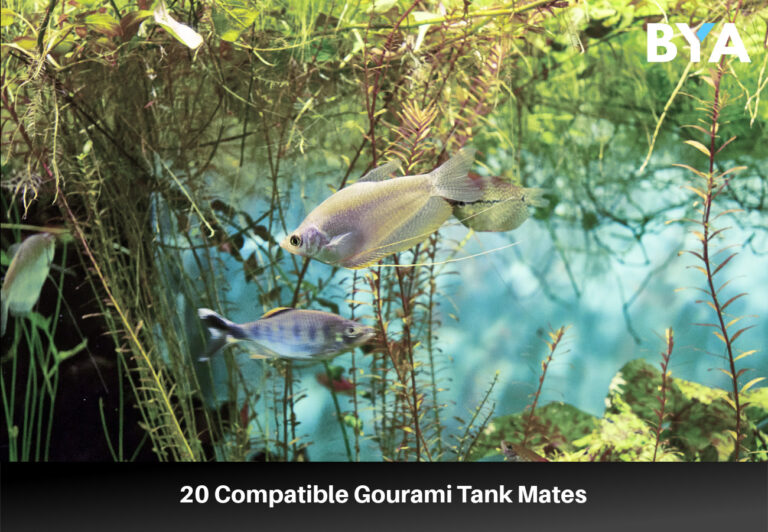
Glass catfish: a more delicate choice. A glass catfish school needs calm conditions and food in the water column; it should not be crowded around a large fish that repeatedly disturbs its resting area.
Surface fish and livebearers
Hatchetfish and pencilfish: potentially suitable peaceful species need their own groups, appropriately small foods and secure cover. Their smaller size does not remove their care needs.
African butterflyfish: a specialist conditional choice, not a general community recommendation. They need accessible surface food, calm surface areas and protection from jumping, and may eat smaller companions.
Livebearers: compare hardness as well as pH. Setting pH to exactly 7.0 does not automatically reconcile a molly’s mineral requirements with every pleco. Captive stock may have useful overlap, but ask about its established conditions.
Arowanas: giant predators require a separate lifetime housing plan. A pleco’s armor and bottom-dwelling habits do not guarantee protection from a large predator.
Cichlids and other bottom dwellers
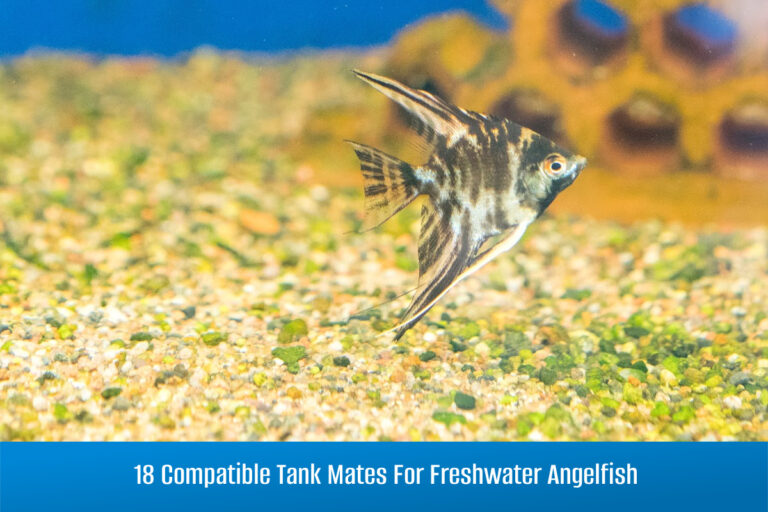
Cichlids: assess species and individuals. A breeding pair or highly aggressive fish can injure a pleco despite its armor. Slow, broad-bodied fish also need monitoring for rasping. “All cichlids except discus” is not a sound rule.
Hoplo catfish: possible only with enough adult space and separate retreats. Identify the species; this is a larger relative of cories, not a small cleanup fish. Tiny fish and fry may be vulnerable.
Pictus catfish: need long swimming room, direct feeding and a social group. They may eat small community fish even if the pleco is safe. See pictus compatibility considerations before mixing them.
Clown loaches: their adult group needs a large aquarium in its own right. Do not buy juveniles relying on an assumed market for unwanted adults. Plan permanent space and multiple feeding areas from the outset.
Black ghost knifefish and spiny eels: specialist, often large fish with shelter and feeding needs of their own. Burrowing or electrical navigation does not prevent competition for bottom space. They are poor routine additions to a pleco community.
Feed everyone and review the result
Aquarium Co-Op emphasizes that plecos need regular direct feeding. Offer the correct diet for the identified species and confirm companions receive their own food too. Algae, scraps and wood do not provide a universal diet.
Quarantine additions and maintain zero ammonia and nitrite. Persistent chasing, injuries, weight loss or a fish excluded from food means the arrangement needs changing, regardless of a compatibility list.
hey Jason, I have a 3 gallon fish tank. I have two guppies and two sucker fish, one sucker fish. What other fish could add to the mix? thx J