Seahorses need a system designed around their feeding and shelter requirements. Healthy captive-bred animals trained to eat frozen food are a more practical choice than unidentified wild specimens. They are a specialist commitment, but it is inaccurate to suggest that all are nearly impossible to keep or need the water filled continuously with food.
Identify the species and its feeding routine
Ask for the scientific name, source, age or approximate adult size and the exact foods the animals already accept. Color is not a reliable species label or a permanent feature. Do not mix species or sources casually in an attempt to assemble a colorful herd.
Hippocampus erectus, the lined seahorse, and captive-bred H. reidi, often called Brazilian or longsnout seahorses, can be obtained from specialist breeders. Confirm frozen-food acceptance rather than assuming that reidi must live entirely on live prey.
Build a species-focused aquarium
Alyssa’s Seahorse Savvy recommends at least 30 gallons and 18 inches of height for a pair of its captive-bred seahorses. That recommendation is for its standard stock, not a universal rule covering dwarf seahorses, every larger species or any additional tank mates.
Provide secure, smooth hitching posts at different heights. Guard heaters and pump intakes so tails cannot wrap around hot or hazardous equipment. Maintain circulation and oxygenation while leaving sheltered areas; a stagnant tank is not the answer to poor swimming ability.
Keep the aquarium fully cycled, with stable salinity and temperature and undetectable ammonia and nitrite. Follow the breeder’s temperature recommendation for the species. Seahorse Savvy uses 70–74°F for its stock; a room that runs warmer may need a cooling plan.
Make feeding observable and repeatable
For seahorses already trained to frozen foods, offer appropriate mysis in a way that lets each animal feed without competition. The breeder recommends two to three daily feedings for its stock. Observe swallowing and body condition, and remove uneaten food rather than allowing it to spoil.
A feeding station or careful target delivery can make intake easier to monitor. Do not indiscriminately flood the aquarium, force food into the snout or substitute a constant cloud of freshwater live food for a researched marine diet.
Plan daily care and a competent substitute keeper before purchase. Missed meals, continuing feeding refusal or weight loss should prompt investigation, including water tests and experienced aquatic-veterinary advice.
Choose companions cautiously
A species-focused tank simplifies feeding and observation. Fast feeders can outcompete seahorses even without overt aggression. Stinging corals and sea anemones can injure a slow animal that hitches within reach.
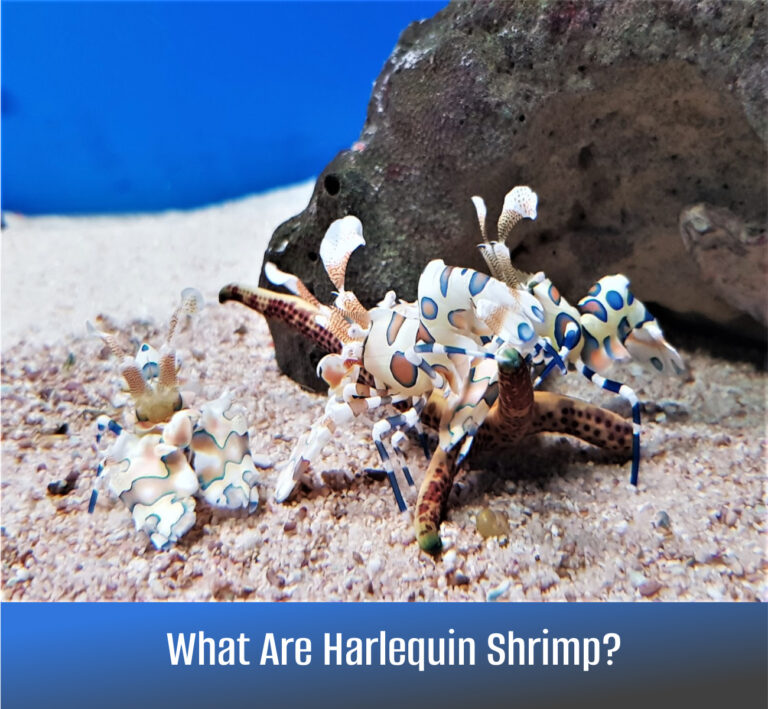
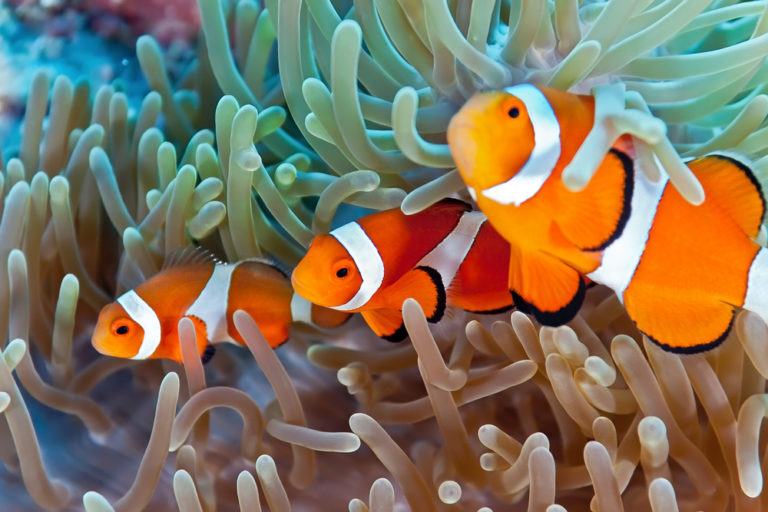
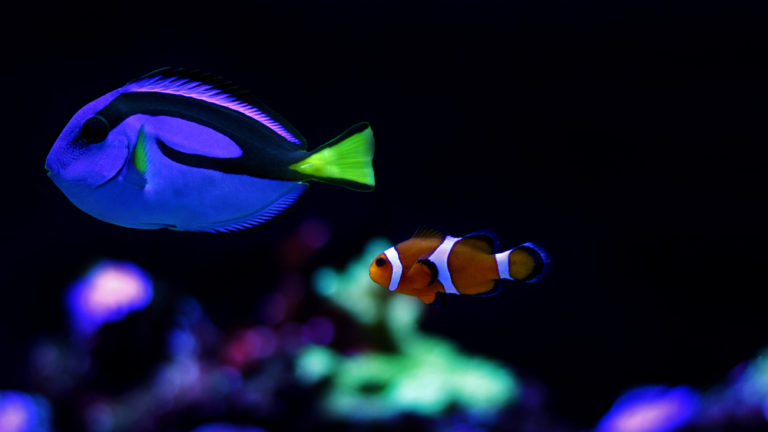
Do not assume a clownfish, shrimp or other normally peaceful aquarium animal is automatically suitable. Evaluate feeding competition, temperature needs, infection risks and physical contact together. Prepare an appropriate quarantine arrangement for additions.
Dwarf and pygmy are different decisions
Dwarf seahorses, Hippocampus zosterae, require a separate small-species plan, including dependable live-food production and appropriate enrichment. Their size does not make them a shortcut to easy care. Freshwater daphnia are not a default complete marine diet.
Bargibant’s pygmy seahorse, H. bargibanti, is not a routine alternative for the same setup. The California Academy of Sciences describes its pioneering pygmy-seahorse breeding work. A public aquarium achievement does not establish an easy home-care or breeding recipe.
Larger species and seadragons are not interchangeable
The giant Pacific seahorse, Hippocampus ingens, needs a plan based on the actual animals’ adult dimensions and source conditions. Do not assume any 30-gallon tank is sufficient for a giant pair and other fish.
The leafy seadragon is Phycodurus eques, a relative rather than a seahorse species. The Australian Museum shows males carrying eggs on the tail, not the chest. It belongs in specialist care, not a list of ordinary home seahorse choices.
Plan for offspring separately
Male seahorses brood developing young, but successful births do not mean the juveniles will survive without dedicated food and housing. Do not buy the maximum number you can afford or assume every species forms permanent lifelong pairs. Choose stocking and any breeding project deliberately.