Choose cichlids by adult space, temperament, water conditions and social arrangement. A dwarf cave-spawner, a warm-water discus group and a large Malawi predator need different aquariums. The fourteen types below illustrate those differences; they are not companions for one mixed tank.

1. Angelfish

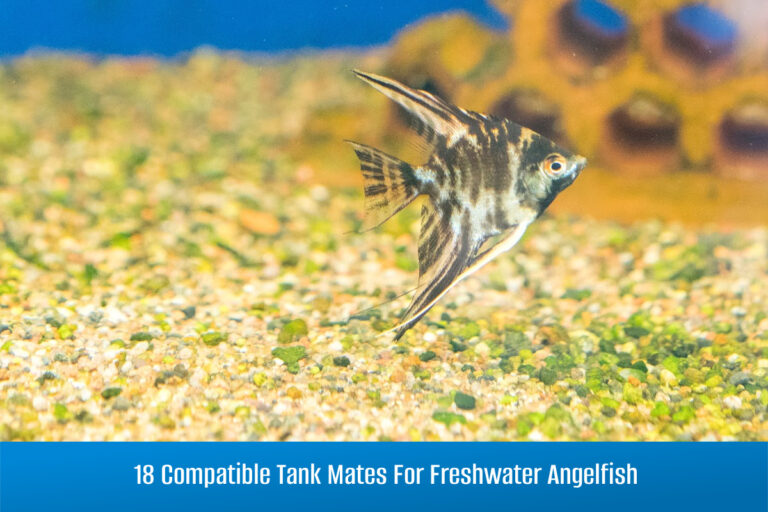
Domestic Pterophyllum scalare need a tall aquarium with room for adult fins and separate territories. A compatible pair or a properly planned larger group can work; a random group of six in a small tank cannot. Tiny fish may become prey. See the angelfish guide before stocking.
2. Discus

Symphysodon need a mature, stable aquarium, suitable warm water and reliable feeding access. A small breeding-pair tank is not a substitute for a normal adult group setup. Match the breeder’s conditions and choose temperature-compatible companions. The discus care guide explains group planning and maintenance.
3. Electric blue hap

Sciaenochromis fryeri is a large, predatory Malawi cichlid. It needs long swimming space, alkaline mineral-rich water and companions too large to swallow. Similar-looking males can become rivals. Compare it with other electric blue cichlids; the shared color does not establish shared care.
4. Convict cichlid

Amatitlania nigrofasciata readily breeds, but a defending pair can take over the aquarium. Plan a species setup with spare accommodation and homes for fry. Hardiness does not make it a peaceful beginner community fish. Read the convict breeding guide first.
5. Cockatoo dwarf cichlid

Apistogramma cacatuoides needs bottom territory, sheltered caves and stable water. Domestic strains and wild stock may have different breeding-water requirements. Small body size does not prevent a breeding female from driving other bottom-dwellers away. See the Apistogramma guide for species differences.
6. Malawi butterfly peacock

Aulonocara jacobfreibergi is a substantial peacock, with males capable of territorial aggression. Plan sand, refuges and considerable adult space rather than relying on a generic “50 gallons for peacocks” rule. The peacock guide separates species, locality names and ornamental strains.
7. Yellow lab

Labidochromis caeruleus is often less combative than other mbuna, but is not universally “community proof.” Adult territory, group composition and companion temperament still matter. Use the African cichlid comparison to distinguish mbuna from river species and large predators.
8. Oscar

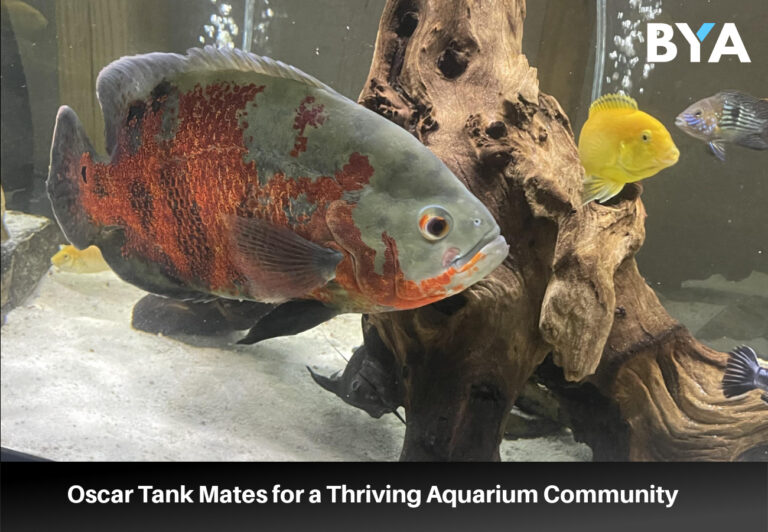
Astronotus ocellatus becomes a large, deep-bodied predator and produces considerable waste. Plan a long, broad adult aquarium, biological filtration and regular water changes. Oscars may eat small fish or be bullied by more combative cichlids. The oscar guide covers adult space and a balanced diet.
9. Kribensis

Pelvicachromis pulcher is a river-dwelling cave-spawner. A breeding pair’s defended area can surprise an aquarist expecting a permanently peaceful dwarf fish. Provide sheltered territory and do not force two incompatible adults together. Follow the kribensis guide rather than a Malawi water recipe.
10. Frontosa

Cyphotilapia frontosa and related C. gibberosa need a very large adult group aquarium and stable Tanganyika-style water. They can eat smaller companions despite appearing calm. Keep species and locality records. The frontosa guide explains the substantial long-term commitment.
11. Jewel cichlids

Red jewel cichlids are now placed in Rubricatochromis, though shops may still use Hemichromis. A red body and blue spots do not identify every fish as R. bimaculatus. Eschmeyer’s Catalog confirms the current combination for bimaculatus. Buy identified stock and plan for strong breeding territoriality.
12. Venustus

Nimbochromis venustus is a large Malawi ambush predator. Small fish are potential prey, and mature males need careful management. Its species profile cautions against treating it as an ordinary Malawi-community resident.
13. Firemouth

Thorichthys meeki forages over substrate and defends a spawning area. Provide sand and separate refuges, with sufficient adult footprint. Livebearers are not automatically compatible because they originate from the same region. See the firemouth compatibility guide.
14. Jack Dempsey

Rocio octofasciata is a substantial territorial cichlid. Electric blue forms still need proper adult space, stable water and feeding access. Armor does not make a pleco immune to its attacks. Read the Jack Dempsey guide for identification and adult planning.
Before choosing your first cichlid
Check the exact species and source stock, adult aquarium footprint and whether it should live singly, as a pair or in a group. Finish the nitrogen cycle, keep ammonia and nitrite at zero and choose a diet suited to that fish. Have an established separation option before combining territorial species.