Platies are generally peaceful, but good tank mates must also match their temperature, hardness and adult space requirements. Other suitable livebearers are often easier to combine than fish from very soft, acidic water. Do not choose companions from temperament alone.
Start with a complete stocking plan
Use the platy care guide to establish conditions first. Leave room for the adults, each species’ social group and any fry you intend to keep. Quarantine additions and have somewhere to separate a fish if chasing or feeding competition develops.
Candidates and common mismatches
Dwarf gouramis

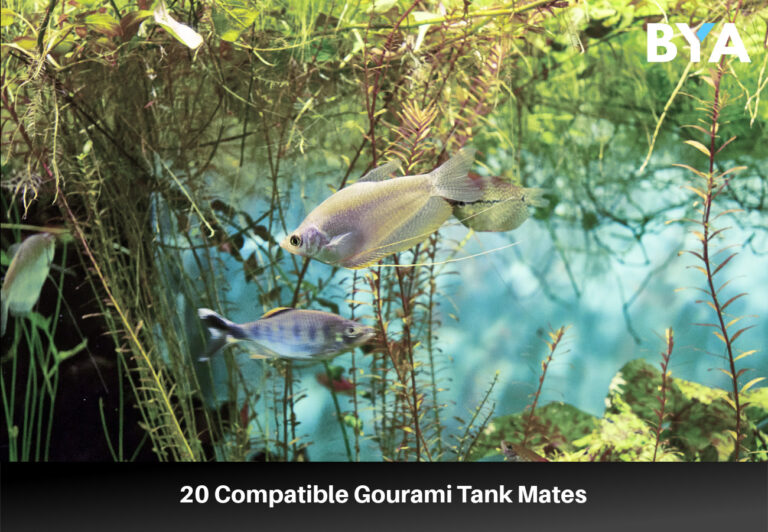
Dwarf gouramis are not guaranteed peaceful additions. Check the stock’s water requirements, provide planted cover and observe territorial behavior. Do not buy a female simply to make a male more colorful; managing a pair or group needs its own plan.
Swordtails

Swordtails can suit similar freshwater conditions, but they are larger and more active. Provide a long aquarium and monitor male chasing. They can hybridize with platies, so keep breeding lines separate if ancestry matters. Routine salt addition is not necessary to establish compatibility.
Blue rams

Blue rams are a poor default match for a typical platy aquarium. Their care profile describes warm, soft-water conditions, with 27–30°C (81–86°F) recommended. Breeding pairs can also defend territory. Small size does not remove these differences.
Bettas

A betta may chase platies, while busy platies can outcompete a slow betta or nip its fins. Individual behavior varies, so this is not a dependable beginner combination. Do not add a female betta group as an easy alternative; see the betta compatibility guide before planning a community.
Neon tetras

Neons are schooling fish that generally suit softer water. Compare source conditions with your measured platy aquarium rather than calling every tetra adaptable. The neon tetra guide explains their requirements. Do not repeatedly alter water chemistry to force a combination.
Otocinclus

Otocinclus need a mature aquarium, appropriate group and reliable food. They are not mandatory algae-control equipment. Check the identified species’ needs, observe body condition and ensure food actually reaches them in a busy livebearer tank.
Pea puffers

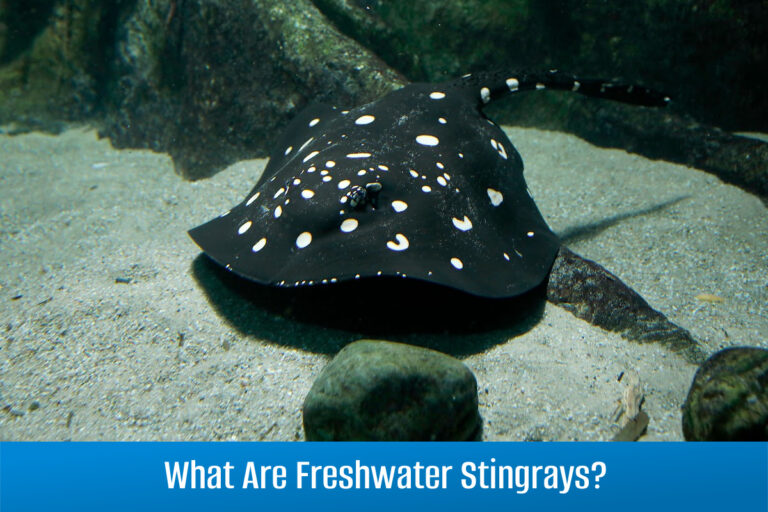
Do not recommend pea puffers as routine platy companions. Their small size does not prevent territorial behavior or fin damage. The species profile calls for careful companion selection and specialized feeding. A dedicated, properly planned puffer setup is a better starting point.
Green spotted puffers are a different fish with different salinity and adult housing needs. Adding a little salt does not turn a platy community into a suitable puffer aquarium.
Ghost shrimp
“Ghost shrimp” can cover different animals in the trade. Confirm the species, adult size and conditions before buying. Platies may eat small shrimp or young, and adding generic salt is not a universal shrimp-care measure.
Cherry barbs

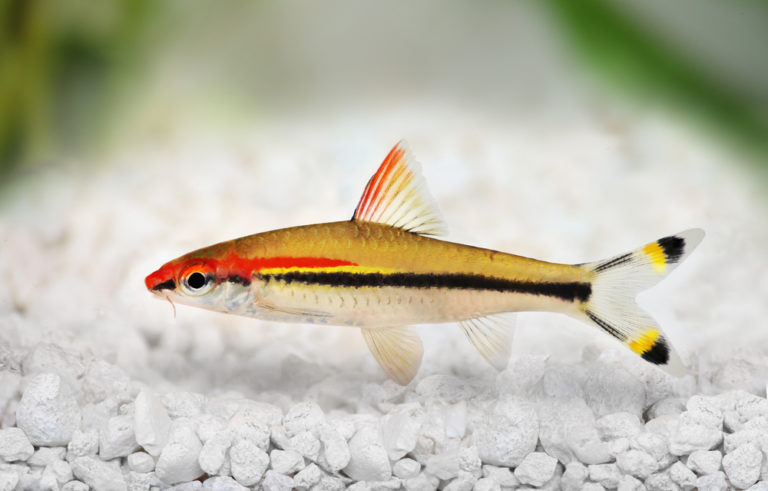
Cherry barbs may be candidates where temperature and chemistry genuinely overlap. Keep an appropriate group with cover and swimming space. Do not assume all barbs behave alike or that adding active fish always makes a shy fish more comfortable.
Nerite snails
Nerites can be useful residents in a mature freshwater setup with suitable food and minerals. They may lay visible eggs even if a growing freshwater population does not result. They cannot guarantee an algae-free aquarium; maintenance, light and feeding still matter.
Often simpler: compatible livebearers
Guppies and appropriately sized mollies can be candidates where conditions and space match. Account for differences in adult size and the population growth of every species. A platy-only aquarium is also a complete stocking choice; there is no requirement to add a cleaner or a centerpiece fish.