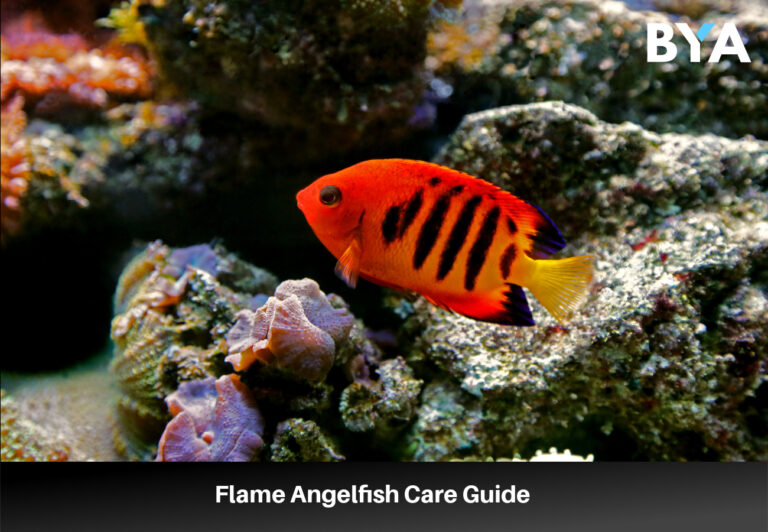
Frogspawn corals grow fleshy, branched tentacles over a hard skeleton. They can do well in a stable reef, but open space matters: an expanding colony can sting nearby corals, and its tissue is easily irritated by direct flow, rough handling or persistent fish contact.

What to check before adding one
Ask whether the colony is a wall frogspawn (Fimbriaphyllia divisa) or branching frogspawn (F. paradivisa). Older labels use Euphyllia. The research recognizing Fimbriaphyllia as a separate genus includes both species. Their skeletons affect how colonies grow and how safely they can be divided.
Inspect the tissue margin and base for recession, damaged flesh and suspicious growth. Ask for the seller’s conditions rather than choosing solely by color under blue lights. Do not buy an unhealthy wall colony on the assumption that cutting away a section will be straightforward.
Space it for expansion, not its shipping size
Give the fully open colony room away from rock edges and other animals. Check for extended sweepers after dark, and increase separation when neighboring tissue retracts or shows damage. Positioning another coral upstream is not a dependable barrier.
Do not assume frogspawn can touch every hammer or torch coral. Some pairings coexist, but contact should never be guaranteed safe. Wandering anemones also cannot be expected to learn a safe boundary.
Clownfish may settle into frogspawn, but repeated rubbing can injure it. Protect a colony that stays retracted or loses tissue. Evaluate fish and shrimp by their actual behavior; coral-nipping animals remain a risk even when well fed.

Set light and flow without forcing the coral shut
Tidal Gardens describes frogspawn as less demanding of light than many corals. Begin near the supplier’s exposure and adjust gradually, using PAR measurements when available. A universal placement height does not account for different fixtures, mounting distances or water depth.
Provide indirect, changing circulation that sways the tentacles and carries debris away. Do not use strong direct flow to keep the colony compact enough for a crowded layout. Persistent retraction means checking the conditions, not assuming the animal has accepted its position.
Stable chemistry and sensible feeding
Track salinity, temperature, alkalinity, calcium and magnesium. Maintain alkalinity within a suitable reef range; zero dKH is not an acceptable target. Test consumption before dosing and avoid abrupt corrections. Use a suitable reef salt and consistent water preparation.
Keep ammonia and nitrite undetectable, manage nutrient accumulation and avoid deliberately stripping phosphate or nitrate to zero. Having fish does not establish a particular nutrient concentration: confirm it with measurements.
The coral receives much of its energy from photosynthetic symbionts. Small supplemental portions of suitable marine food may be accepted, but rejected food should be removed. Broadcasting extra food does not guarantee a meal for this coral. Do not force food into a closed or deteriorating polyp.

Growth, fragging and warning signs
Healthy branching colonies can develop additional heads. Experienced propagators divide bare skeleton between heads while keeping tools clear of living tissue. Wall colonies have connected flesh and require greater care; cutting through it is not an easy equivalent procedure.
Do not assume every cut will heal quickly or that an improvised iodine bath prevents infection. Use suitable coral products only according to their instructions. Rapid tissue recession, disintegrating brown material or continuing failure to expand calls for investigation and isolation where practical, rather than more feeding or automatic supplementation.