

Colorful fish range from small freshwater livebearers to large marine predators. These 25 examples highlight distinctive patterns and the practical care each requires. They are alternatives for very different setups, rather than a compatible stocking list or an objective beauty ranking.
Freshwater fish and pond choices
1. Goldfish

Metallic scales, calico patterns and flowing fins distinguish domestic varieties. Match housing and companions to body form: fancy goldfish and fast-growing single-tailed varieties have different needs. Bowls do not provide adequate adult accommodation.
2. Koi

Bold red, white and black patterns are best appreciated in a substantial pond. Juveniles outgrow ordinary aquariums. Start with pond planning and compare koi varieties.
3. Guppies

Selective breeding produces mosaic tails, solid colors and many other patterns. Account for mineral-rich water, male pursuit and rapid reproduction. See guppy care before choosing a mixed-sex group.
4. Bettas

Domestic Betta splendens offers varied colors and fin forms. Provide a heated, filtered aquarium with gentle flow and resting cover. Wild betta species have their own requirements; use the betta guide for the fish you actually intend to keep.
5. Boesemani rainbowfish

Mature males show a striking blue front and orange rear. These active social fish need a long aquarium. Fluval lists an adult size around four inches and a 50-gallon minimum; plan additional capacity around the whole group and community.
6. Freshwater angelfish

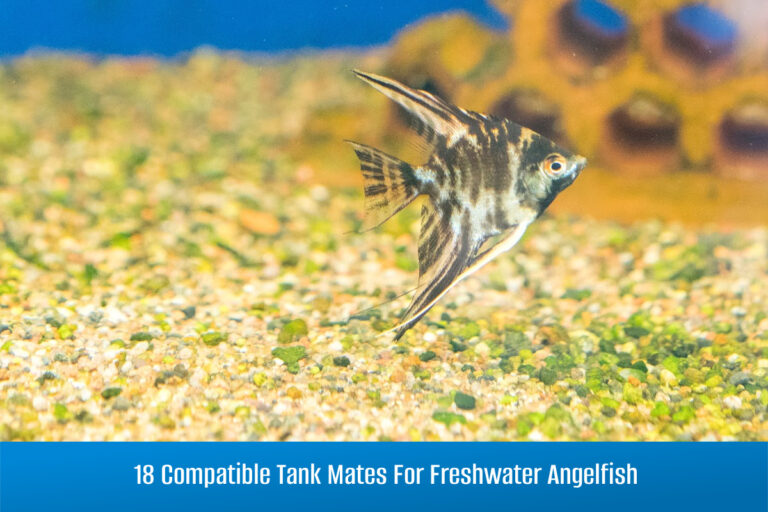
Silver, koi-patterned and other domestic forms share tall bodies and trailing fins. Provide height and adult territory, and remember that small companions can be swallowed. Read freshwater angelfish care.
7. Clown killifish

Bold vertical bars and colorful male tails stand out in a quiet planted aquarium. These tiny surface-oriented fish need small foods, gentle companions and a secure cover.
8. Ram cichlids

Blue iridescence and red eyes characterize German blue rams and related domestic forms. Their warm-water requirements and sensitivity to instability deserve a dedicated plan. See ram care.
9. Blue gularis killifish

Adult males display richly patterned bodies and fins. They are much larger than clown killifish. Plan secure housing, appropriate food and careful management of males and females rather than treating all killifish alike.
10. Discus

Round bodies and diverse domestic patterns make discus prominent display fish. Warm group housing, reliable feeding and water quality come first. Beef heart is not an obligatory staple; read discus care.
11. Flowerhorn cichlids

These domestic hybrids combine vivid markings with a pronounced head hump in many individuals. Territorial adults often need single housing. Provide enrichment without petting or stripping the enclosure bare to force interaction.
12. Arowanas

Large reflective scales and surface-oriented swimming create a distinctive appearance. Identify the species, confirm legal availability and prepare substantial adult accommodation. Use the arowana guide.
13. Peacock gudgeons

Blue bodies, red markings and yellow fin edges make these small fish conspicuous among plants. Provide caves and check feeding access and territorial behavior. See peacock gudgeon care.
Marine fish: beauty with different commitments
14. Firefish

Firefish combine elongated dorsal fins with bright rear-body coloration; purple firefish have a different palette. Use peaceful companions, sheltered retreats and a tightly fitted lid. Read firefish care.
15. Designer clownfish

Captive breeding produces unusual bands, spots and color forms in several clownfish lines. Choose by health and species as well as pattern. They do not require an anemone; compare clownfish choices.
16. Lionfish

Striped bodies and spreading fins accompany venomous spines and a predatory diet. Species differ greatly in adult size. Plan safe maintenance and exclude fish and shrimp small enough to be swallowed.
17. Marine betta

Calloplesiops altivelis has a dark spotted body and a large false eyespot. ORA describes a shy predator that needs protection from boisterous feeding competitors. It is unrelated to freshwater betta care.
18. Queen angelfish

Blue and yellow coloration changes as this large angelfish matures. It needs substantial adult housing and an appropriate varied diet. Expect risks to sessile reef animals rather than choosing it as a small coral-safe centerpiece.
19. Regal angelfish

Alternating pale, orange and blue bands make this a striking specialist fish. Feeding and acclimation can be difficult. Verify the actual specimen’s intake and body condition; extra feeding does not guarantee coral safety.
20. Flame angelfish

A red-orange body with dark bars distinguishes this dwarf angelfish. Provide mature grazing habitat, territory and suitable foods. Coral nipping remains possible; compare the marine angelfish guide.
21. Annularis angelfish

Juveniles and adults have different patterns; adults show curved blue lines across a brown-orange body. Adult size and territory require a large setup. This is a poor choice when coral and clam compatibility is essential.
22. Lagoon triggerfish

Contrasting facial lines produce a distinctive geometric pattern. Strong jaws, territorial behavior and invertebrate predation call for a carefully selected large-fish setup with securely supported rockwork.
23. Crosshatch triggerfish

Xanthichthys mento has fine crosshatched markings and sex-related color differences. Its plankton-oriented feeding differs from that of many bottom-foraging triggers, as shown in the Smithsonian species account. It still needs substantial adult swimming space.
24. Clown triggerfish

Large white spots and yellow markings create a bold pattern. Adults become large and can be strongly aggressive. Juvenile tolerance of companions does not establish a safe long-term community.
25. Mandarin dragonet

Blue-green and orange patterning makes Synchiropus splendidus distinctive. Feeding is the central commitment: confirm dependable suitable food and monitor body condition, including for captive-bred fish. Read mandarin care before purchase.
Choose a fish whose needs fit your setup
A smaller, well-accommodated fish makes a better display than an impressive juvenile with no adult home. Compare freshwater choices or marine choices after deciding on the aquarium’s space and maintenance budget.
Wow the mandarin fish is good
Platinum veiltail angelfish with pearlscale is no less beautiful than any fish in the world. And when it’s 5 inches long it’s an attention drawer