

Use this directory to compare freshwater aquarium choices before buying. The 60 entries include individual fishes, broader groups and two invertebrate options. They are alternatives for different setups, not one compatible stocking list or sixty beginner recommendations.

Start with adult dimensions, group requirements, temperature, water hardness, diet and temperament. The Aqueon fishkeeping guide provides a general equipment and planning introduction; use species-specific care information for the final decision.
Compare the animals
1. Cory catfish

Social bottom-feeders: keep an appropriate same-species group, provide smooth substrate and feed deliberately rather than relying on leftovers.
2. Guppies

Colorful livebearers for suitable mineral-rich water. Protect flowing fins from nippers and plan for offspring in mixed-sex groups.
3. Mollies

Identify the species or domestic form: sailfin mollies need more room than small guppies. Routine salt dosing is not universal.
4. Swordtails

Active livebearers that need swimming length, a secure cover and management of male competition and persistent mating behavior.
5. Kuhli loaches

Social, secretive loaches needing sheltered floor space and food that reaches them. Secure filter openings and avoid abrasive substrate.
6. Neon tetras

Keep a proper group with suitably small peaceful companions. Match temperature and chemistry; avoid predators capable of swallowing them.
7. Bristlenose plecos

Manageable relative to giant plecos, but still substantial feeders and waste producers. Provide caves and watch territorial interactions.
8. Betta fish

A heated, filtered species-focused setup is the simpler plan. Community housing depends on the individual and requires fallback accommodation.
9. Zebra danios

Fast-moving group fish needing swimming length. Their activity and potential fin-nipping can unsettle slow or long-finned companions.
10. Dwarf gouramis

Provide cover, access to the surface and suitable companions. Small size does not eliminate territorial behavior or the need for health assessment.
11. Goldfish

Choose housing for the particular body form and adult size. Large single-tailed fish and fancy varieties require different planning.
12. Convict cichlids

Hardy does not mean community-safe. Breeding pairs may defend a large territory and require separate housing from unsuitable companions.
13. African cichlids

A diverse group spanning different habitats and diets. Do not assign all African species one hard-water community recipe.
14. Red cherry shrimp

Small grazing invertebrates for an established appropriate setup. Many fish consume juveniles, and a peaceful label does not guarantee safety.
15. Cherry barbs

Group fish suited to many appropriately planned planted communities. Provide cover, swimming space and food sized for the fish.
16. Tiger barbs

Active group fish with a fin-nipping reputation. Avoid slow long-finned companions and choose a proper group and spacious layout.
17. Oscars

Large cichlids requiring adult dimensions, substantial filtration and a suitable diet. They are sensitive to poor water quality like other fish.
18. Platies

Mineral-rich freshwater candidates that reproduce readily. Monitor mating harassment and arrange space for offspring rather than expecting a static population.
19. Pearl gouramis

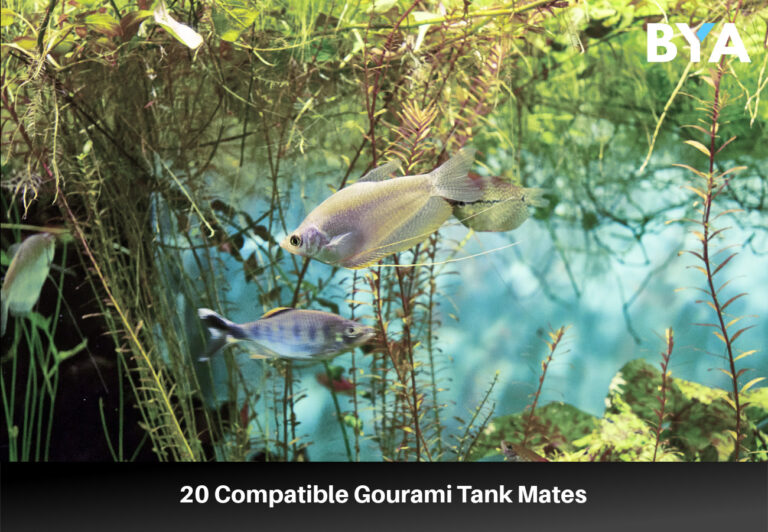
Provide planted cover and surface access, while allowing for adult size and breeding territories. Avoid boisterous or fin-nipping companions.
20. Discus

Warm-water cichlids needing stable conditions and deliberate feeding. Their requirements do not suit every tetra or cooler-water community fish.
21. Killifish

Identify the species before choosing temperature, habitat or breeding method. Secure covers and assess feeding competition carefully.
22. Rainbowfish

A diverse group: large active rainbowfish and small threadfins need different swimming space, food sizes and companions.
23. Freshwater angelfish

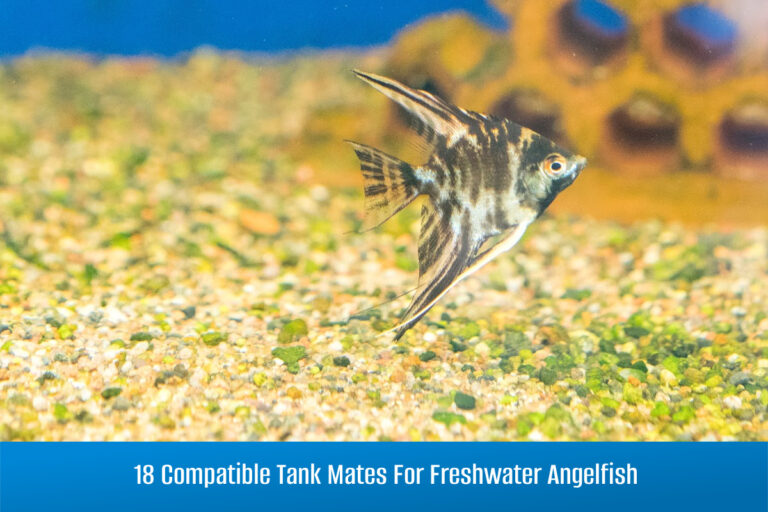
Tall-bodied cichlids that may swallow tiny fish and defend spawning territories. Choose both tank height and usable floor area carefully.
24. Firemouth cichlids

Territorial cichlids requiring deliberate companion selection and separation options. Decorations do not guarantee that an incompatible combination becomes peaceful.
25. Pictus catfish

Active catfish with predatory potential toward small fish. Provide adult swimming room, shelter and suitable food.
26. Clown loaches

Large-growing social loaches needing a spacious long-term group setup. Do not purchase them merely to remove nuisance snails.
27. Harlequin rasboras

Keep a group with appropriate tropical conditions, planting and open swimming space. Avoid companions that can swallow or intimidate them.
28. Marbled hatchetfish

Surface-dwellers needing company, accessible food and an exceptionally secure lid. Keep surface competition and disturbance under control.
29. Upside-down catfish
Confirm the species, usually Synodontis nigriventris. Provide group accommodation, shaded retreats and appropriate food; tiny companions may be vulnerable.
30. Celestial pearl danios

Small planted-tank fish with male chasing and feeding competition to consider. Give cover and suitably small, unobtrusive companions.
31. White cloud mountain minnows

A cooler-water group choice. Base heating decisions on measured year-round temperatures rather than the word coldwater alone.
32. Bichirs

Air-breathing predators with species-dependent adult sizes. Maintain surface access and secure covers; smaller tank mates may be swallowed.
33. Gold barbs

Active group fish requiring swimming room. Assess fin-nipping risk instead of combining them automatically with long-finned species.
34. Rosy barbs

Larger active barbs for appropriate groups and cooler-to-moderate conditions. They can nip fins, particularly in unsuitable combinations.
35. German blue rams

Warm-water dwarf cichlids needing stability and suitable companions. Small body size does not prevent breeding aggression.
36. Cockatoo dwarf cichlids

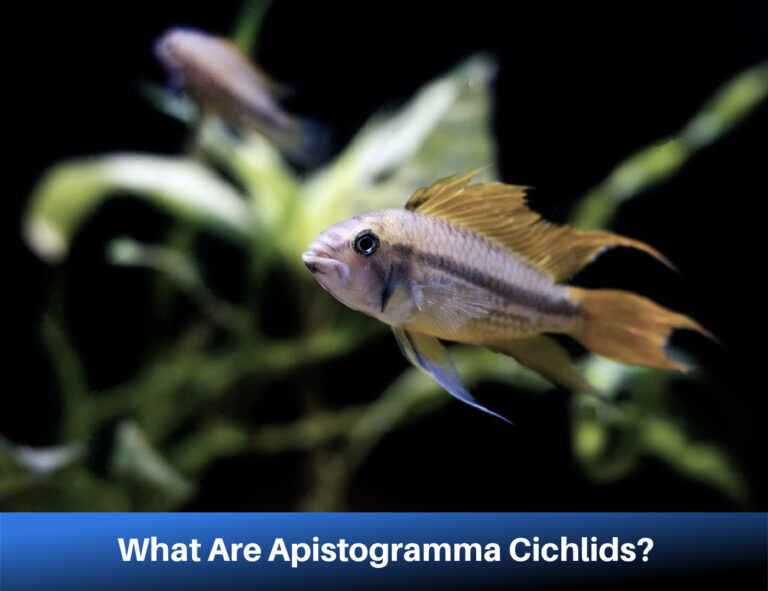
Apistogramma cacatuoides needs sheltered territories and careful sex and group planning. Provide separation options when breeding aggression develops.
37. Jack Dempsey cichlids

Large territorial fish requiring adult space and deliberate stocking. A similarly aggressive companion is not automatically a safe match.
38. Green Texas cichlids

The name often refers to Herichthys carpintis, distinct from H. cyanoguttatus. Confirm identity, adult dimensions and territorial behavior.
39. Odessa barbs

Active group fish with strong male coloration. Choose compatible temperatures and companions rather than selecting only for color.
40. Asian stone catfish
Small cryptic catfish needing suitable substrate and dependable food delivery. Watch that faster tank mates do not leave them underfed.
41. Diamond tetras

Keep a suitable group with swimming room and cover. Their adult body and fin size matters when selecting tank mates.
42. Cardinal tetras

Group fish with different requirements from many hard-water livebearers. Ask about the source and existing conditions of the actual stock.
43. Blood parrot cichlids

Domestic hybrids with variable body and mouth shape. Check feeding ability and behavior; they can still intimidate or injure companions.
44. Rainbow sharks

Territorial bottom-oriented fish needing a defined adult habitat. Avoid duplicating similar bottom territories in a cramped aquarium.
45. Black skirt tetras

Group fish that may nip fins. Their comparatively deep body does not establish compatibility with every predator or delicate community species.
46. Bloodfin tetras

Active group fish for appropriate cooler-to-moderate conditions. Confirm the species and compatibility rather than treating every tetra identically.
47. Redeye tetras

Provide a group, swimming space and planting. Evaluate their activity and potential fin-nipping before adding delicate companions.
48. Raphael catfish
Shelter-loving catfish with strong spines and a substantial adult body. Feed after quiet periods and protect small potential prey.
49. Glass catfish

Kryptopterus vitreolus needs a group and reliable midwater feeding. It is not a bottom-cleaning fish living on discarded scraps.
50. Otocinclus

Social grazers needing a mature aquarium and dependable nutrition. Avoid thin specimens and monitor that each animal maintains body condition.
51. Freshwater stingrays

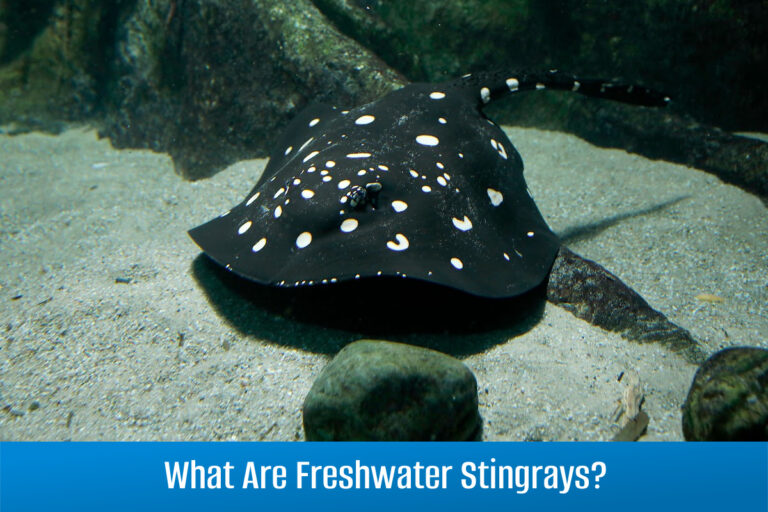
Specialist fish requiring extensive floor area, exceptional maintenance and safe handling around the venomous tail spine. Check legal availability.
52. Chili rasboras

Tiny fish for quiet planted setups with appropriate groups and very small food. Small size does not justify crowding.
53. Pea puffers

Freshwater predators needing a species-specific social and feeding plan. They can nip fins and consume small invertebrates.
54. Dwarf crayfish

Cambarellus are invertebrates, not fish. Claws can still injure tank mates, and molting animals need protection.
55. Silver arowanas

Large surface predators requiring extensive adult swimming room and a strong secure cover. Plan the adult facility before buying juveniles.
56. Twig catfish

Specialized grazers needing established surfaces, appropriate circulation and supplementary food. Their thin bodies do not imply easy feeding.
57. Scarlet badis

Small predators that may need tiny live or frozen foods. Manage male territories and avoid competition from faster feeders.
58. Amazon leaf fish

Monocirrhus polyacanthus is an ambush predator with specialist feeding requirements. Tiny community fish can become prey.
59. Black ghost knifefish

A large-growing nocturnal predator requiring sheltered adult space. Small tank mates are vulnerable, and a juvenile aquarium is temporary.
60. Red devil cichlids

Powerful territorial cichlids for a dedicated long-term plan. Verify identity because domestic stock may include related species or hybrids.
Build a suitable aquarium before stocking

Choose a level stand, an aquarium with appropriate dimensions, filtration and any required temperature control. Keep equipment accessible and protect intakes where small animals will live. Use the freshwater setup guide for the construction sequence.

Establish the filter using fishless cycling and verify ammonia and nitrite processing before adding livestock. No species should be treated as expendable cycling stock.

Test your actual source water rather than assuming a country’s tap water is hard or soft. Avoid routine salt additions, abrupt pH changes or universal baking-soda recipes. Follow a consistent maintenance routine, quarantine arrivals and leave capacity for growth.

Manage excess algae through lighting, feeding, maintenance and identification. An algae-eating animal still needs its own food and suitable housing. For choosing compatible combinations, use our community planning guide.
Thanks.
I have a Convict Cichlid. He is the lone survivor. As you say, he does tend to kill his neighbors.
I’ve had him or her about 5 years or more. I may try another Cichlid to keep him company.
Maybe not.
Thanks for the great article. It was fun to read. I learned a lot!
Hi Terry, thanks for the kind words! Convict Cichlids have a special place in my heart since it was the first species I ever kept. The albino varieties are very interesting as well!
Unfortunately, I never had much luck keeping them with other fish – my large male didn’t take too kindly to anything I tried to keep with him (even females). As you said though, many people have had success keeping other large cichlid species.
Good luck!
Jason